

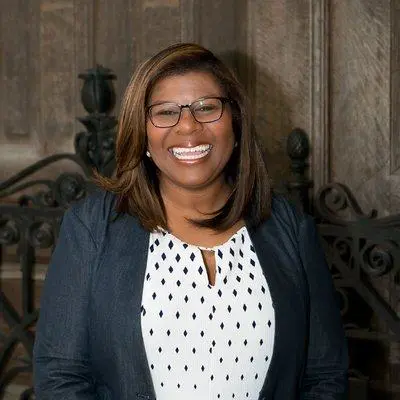
State Sen. Latonya Johnson (D-Milwaukee).
Source: X/Twitter account
Sen. LaTonya Johnson Named Senate Co-Chair of Wisconsin's Joint Committee on Finance
Johnson takes on a key budget leadership role as Wisconsin enters a new era of legislative control

Sen. LaTonya Johnson is stepping into a major leadership role in Wisconsin state government after being named co-chair of the Wisconsin Legislature's Joint Committee on Finance. The committee plays a significant role in shaping the state's budget and reviewing spending priorities.
I sat down with Johnson to discuss her new role, the priorities she hopes to advance and what Wisconsin residents can expect moving forward. Johnson said one of her top priorities is bringing attention to issues affecting Black communities by closely monitoring state spending and following the dollars. She wants to ensure resources reach the communities that need them while addressing longstanding disparities.
Johnson previously served as the ranking member of the Joint Committee on Finance and has served on several committees, including Children and Families and Mental Health and Substance Abuse.
“The thing I want to do the most is put the people back in the budget. The state has such a big surplus because we haven’t been financially backed and now our community is feeling the financial burden,” Johnson said. During our conversation, Johnson also addressed Milwaukee's financial challenges, including shared revenue, the city's reliance on grants, its remaining American Rescue Plan Act (ARPA) funding before the sales tax legislation and the city's financial relationship with the state.
Republicans held the majority in the Wisconsin State Senate beginning in 2011, with a brief six-month period of Democratic control in 2021, before Democrats regained control in the 2026 election. Johnson said Milwaukee did not receive the financial support it needed during that period of Republican leadership.
She described the state's approach as providing Milwaukee with additional tools through increased shared revenue, rather than directly addressing the city's financial challenges.
“Milwaukee was on the verge of bankruptcy, down to our last $96 million of ARPA funds before the sales tax passed. Republicans in control did not bail Milwaukee out. Every other city has a secondary revenue source except for Milwaukee,” Johnson said.
Mental health treatment and its connection to the criminal justice system are also issues Johnson wants to bring to the forefront. She raised concerns about the shortage of residential psychiatric treatment options for children and the challenges families face when appropriate care is unavailable.
“The majority of the money that the City of Milwaukee gets is from grants because of poverty and violence. Milwaukee is the second-poorest city in the state of Wisconsin,” Johnson said.
As she takes on her new role, Johnson said she intends to keep a close eye on state spending and make sure the needs of Black communities remain part of the conversation. For her, that starts with making sure the people are represented in the budget.

Jasmine Tyler is a radio personality and media strategist committed to empowering communities through authentic conversations. She is the host of Tap In with Jazz Tyler on 101.7 The Truth.