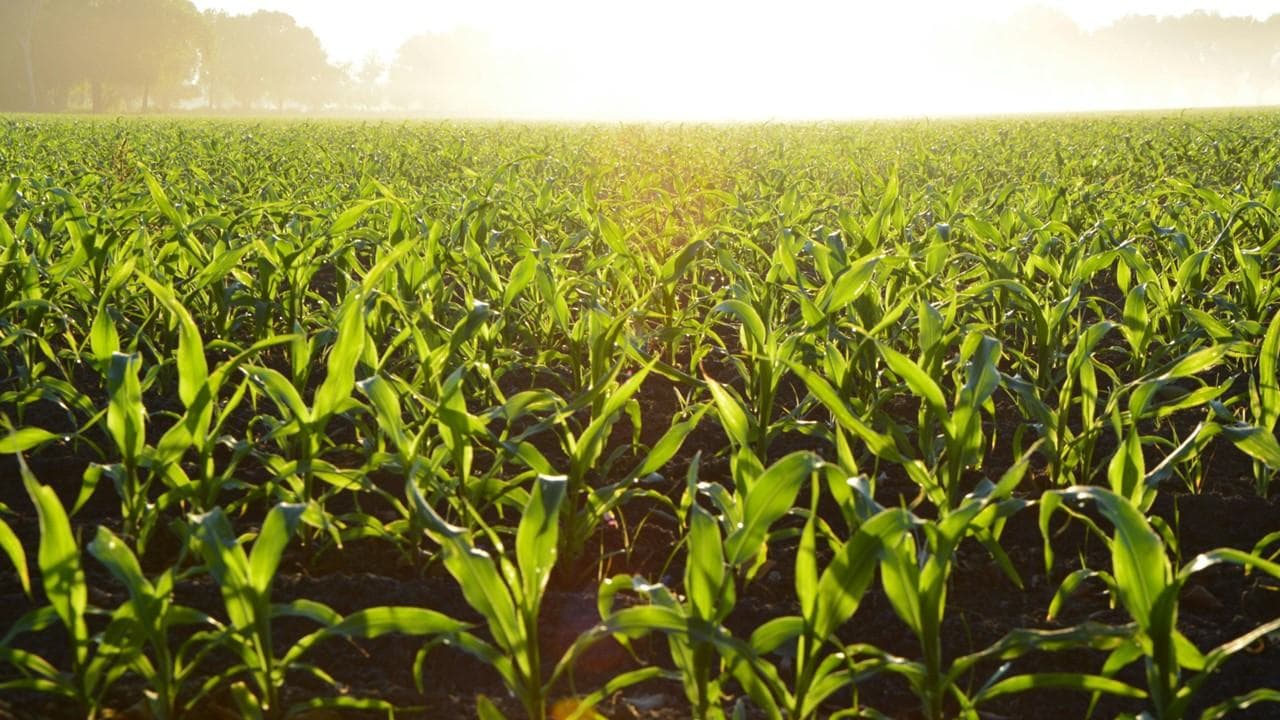
Farm to School program supports food access, local WI farmers
A new Farm to School initiative aims to help address gaps in access to fresh, nutritious food for Milwaukee students by bringing locally grown produce into school cafeterias.
Organizers hope students will have their first harvest on lunch plates before their winter break. The effort comes as Milwaukee faces a growing crisis with one in four children facing food insecurity.
Renesha Muchapondwa, food and nutrition systems coordinator at the Michael Fields Agricultural Institute, said challenges like grocery store closures and limited availability of fresh foods in some areas are among the concerns. She noted school meals offer an important opportunity to reach kids who may not always be able to get nutritious food elsewhere.
"If they're eating breakfast and lunch at school, that's two huge opportunities that we have to introduce fresh local foods to them. And for a lot of students, that may be the only meals that they have access to," Muchapondwa pointed out.
She added students will also have a chance to grow their own food, with lessons on planting and harvesting. Organizers hope the hands-on experience will help them better understand where their food comes from, while strengthening ties between schools, farmers and the broader community.
The project connects the Milwaukee Public School system with local growers through the Wisconsin Food Hub Cooperative and the Michael Fields Agricultural Institute. It is part of the institute's Urban Agriculture Network, which aims to create a reliable market for local farmers.
Muchapondwa stressed many farms struggle to supply larger institutions because of limited access to land and growing space.
"We're not just looking at school meals simply as a way to feed children. We're looking at the school environment as an opportunity to create a ripple effect throughout the community," Muchapondwa explained.
Esther Durairaj, education director at the institute, said one of their goals is to build a local supply chain to benefit schools and farmers well beyond the initial parameters of the project.
"The first thing that we are wanting to do is to create a system that's sustainable. If we can create the supply chain that's successful and can live beyond the period of the grant, that'll be a big, big achievement for us," Durairaj emphasized.
The Farm to School initiative is supported by a $440,000 grant from the U.S. Department of Agriculture, with partner organizations contributing a 25% match. Organizers hope to expand the program to as many as 40 schools by 2027.
Judith Ruiz-Branch wrote this story for Wisconsin News Connection, a member of Public News Service.