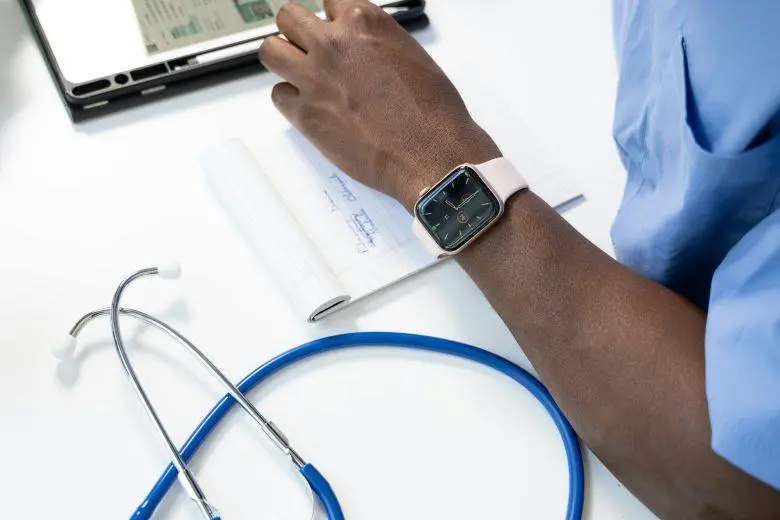
A recent study has shown that 4.6% of chronic condition visits were conducted via telehealth in rural areas compared to 7.5% of visits among members in non-rural areas
Source: Nappy / Unsplash
Report: Telehealth Use in Rural Communities Is No Better Than in Urban Ones
Telehealth has been pushed as a way for rural communities to access healthcare professionals, but a new study shows that, since the Covid-19 pandemic, its use has dropped precipitously.
Oct 12, 2026, 9:25 AM CT
Share


Telehealth use has been consistently lower since 2020 in rural areas compared to non-rural areas, according to the report, from Elevance Health Public Policy Foundation — an American health benefits and insurance company, formerly known as Anthem, Inc.
The study looked at 11.5 million of its members with chronic conditions, and found that regardless of insurance types — commercial, Medicare or Medicaid — rural areas had lower telehealth uptake overall: 4.6% of chronic condition visits in rural areas compared to 7.5% of visits among members in non-rural areas.
Although the study didn’t look at causes for the differences in telehealth use, it does show that more needs to be understood in terms of how rural communities use telehealth, according to Sarah Adkins, director of public policy with the Elevance Health Public Policy Institute.
“I think that the key takeaway is that since the initial surge in use during the Covid-19 pandemic, telehealth remains part of chronic conditions care, but rural communities are not using it at the same rate as non-rural communities,” Adkins said in an interview with the Daily Yonder. “So that really says to us that there’s still a gap there that does need to be understood and addressed.”
Looking at patients with chronic health conditions such as diabetes, hypertension, COPD, and lower back pain, the research found that people in rural areas experience higher chronic disease burden, but lower telehealth usage when compared to people living in urban areas.
In 2021, 18.5% of visits for the non-rural Medicaid patients were done through telehealth, while use by rural residents was more than five percentage points lower. Outside of a slight spike in telehealth usage during 2022 (during the second Covid wave), the percentage of people using telehealth dropped substantially. Across all insurance types and conditions, an average of 4.6% of rural residents used telehealth services, compared to 7.5% of residents in non-rural areas.
Overall, the study found, Medicare clients used telehealth visits the least (5.6%), compared to 7% of commercially insured residents and 7.9% of those covered by Medicaid. The condition that garnered the most telehealth use was sleep apnea (14.3% for non-rural commercially insured members), while the least usage was from patients with atherosclerotic heart disease (between 2.2% and 2.8% of rural members used telehealth visits, compared to 4.4% to 5.1% of non-rural members).
The Elevance Health study also found that across the study period, members living in rural areas tended to use telehealth services less often than those living in non-rural areas regardless of condition or insurance type.
Some practitioners do not see a discrepancy between rural and non-rural patient use. Dr. Sira Haeni, a maternal fetal medicine specialist and the CEO of Ouma Health, a maternity telehealth practice with clients in all 50 states, said he sees rural patients both online and in person.
“In our experience, what we’ve noticed is that if you make the service available and you let the patients know that it’s available and what value propositions are there, they will engage and they will use it,” Haeni said in an interview with the Daily Yonder. “Our engagement in rural areas is as good as our inner-city areas, but we actively go out to educate the population about the services available to them.”
Many of Haeni’s rural patients face hours-long trips, sometimes weekly, for follow-up visits. He said they enjoy not having to travel and not having to take time away from their jobs to see a doctor.
He said, in his opinion, the Elevance Health study says more about broadband than it does about rural patients using the technology.
“If you look at the independent research on this, broadband itself explains a lot of this utilization gap, and the counties that lack the broadband access oftentimes have the lower utilization,” he said. “It’s not so much that the rural patients don’t want to access telehealth, it’s just that they can’t access telehealth. As a country, we’ve failed rural America in terms of getting the broadband access that was promised to them over the last few administrations.”
Working with rural patients means addressing the knowledge gap as well, according to Bidwell Cranage, a family nurse practitioner and founder of Bidwell-Health, a telehealth practice licensed across 11 states In his experience, once patients in rural areas experience telehealth, it’s not something they want to give up.
“The only reason I think that gap exists is just a knowledge gap and an information gap,” Cranage told The Daily Yonder in an interview. “Once they start doing it, they’re like, ‘This is the best. I’m never going back’.”
For example, the technology allows his rural patients to see specialists they might never have seen before.
“Telehealth expands access to care for these people without requiring them to make that drive for every appointment,” he said. “For rural patients, that can mean access to a much larger network of providers than what exists in their hometown.”
Researchers at Elevance Health see potential for telehealth to provide access to rural residents, but the lower use of telehealth services in rural areas requires more study to determine why rural residents aren’t using it as much as their urban counterparts.
“I think that we need to identify where those gaps exist and identify whether or not telehealth is the appropriate solution as part of a tool chest in delivering appropriate care,” Elevance’s Adkins said.

This story was originally published in the Daily Yonder. For more rural reporting and small-town stories visit dailyyonder.com.