Diesel prices add pressure on farmers during harvest
While industry groups welcomed Trump’s executive order that temporarily allows off-road diesel in highway vehicles and easing fuel taxes, the Associated Press reported farmers already have access to the fuel and many have finished harvesting.
Oct 12, 2026, 9:23 AM CT
Share


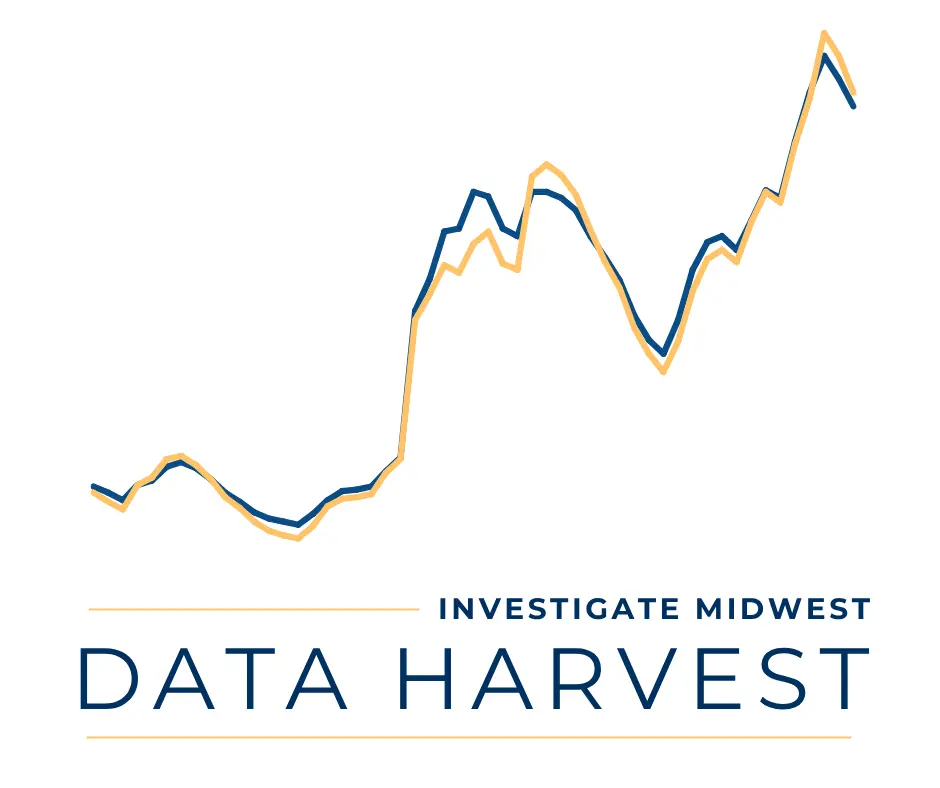
The national average for a gallon of on-highway diesel reached $6.20 on Oct. 5, following a sharp increase that began in March and peaked in September, according to U.S. Energy Information Administration data published by the Department of Agriculture.
Diesel powers nearly every farm field operation, from planting and spraying to fertilizing and harvesting. Tillage requires the most fuel and is expected to account for the largest share of farm fuel expenses during the 2026 growing season, according to a South Dakota State University publication.
The rise in diesel prices coincided with disruptions to global oil supplies following the start of the conflict with Iran on Feb. 28 and the closure of the Strait of Hormuz. The narrow waterway between Iran and the Arabian Peninsula is one of the world's most important oil transit routes. An average of 20 million barrels of crude oil and petroleum products passed through the strait each day in 2025, accounting for about a quarter of global seaborne oil trade.
Damage to refineries in the Middle East and Russia has reduced global refining capacity, while the closure of the Strait of Hormuz has reduced the amount of crude oil reaching the market. Demand for gasoline and diesel has declined, but not enough to offset the tighter supply, according to the American Fuel & Petrochemical Manufacturers.
The weekly national average price for a gallon of on-highway diesel fuel increased 67% over the past year. In the Midwest, prices increased 71%.
Rising prices have prompted federal and state action to lower fuel costs.
President Donald Trump announced temporary relief Monday while campaigning in Grand Island, Nebraska, in support of U.S. Sen. Pete Ricketts, Gov. Jim Pillen and Nebraska's Republican ticket.
Trump signed an executive order relaxing restrictions on tax-exempt red-dyed diesel fuel, saying it would save farmers “millions” and lower goods costs.
Industry groups welcomed Trump’s executive order, but farmers already have access to the fuel and many have finished harvesting, The Associated Press reported. Truckers also face challenges navigating differing state regulations.
“In the context of diesel prices that are over two dollars more than they were last year, it just doesn’t come close to closing that wound,” Matt Perdue, president of the North Dakota Farmers Union, told AP.
The federal action follows moves by nearly a dozen governors in the Midwest and South over the previous two weeks to allow dyed diesel in road vehicles, according to The New York Times. Some states have also suspended state taxes on dyed diesel.
North Dakota Gov. Kelly Armstrong declared a state of emergency Sept. 29 over diesel supply and availability and temporarily expanded the use of red-dyed diesel to include highway use.
“Record high diesel prices are squeezing our ag producers, and this is a meaningful and timely step we can take to provide temporary relief and help our farmers and ranchers through the harvest season,” Armstrong said.
Data Harvest (formerly Graphic of the Week) is Investigate Midwest’s way of making complex agricultural data easy to understand. Through engaging graphics, charts, and maps, we break down key trends to help readers quickly grasp the forces shaping farming, food systems, and rural communities. Want us to explore other data trends? Let us know here.

Originally published by Investigate Midwest.
Investigate Midwest is an independent, nonprofit newsroom. Our mission is to serve the public interest by exposing dangerous and costly practices of influential agricultural corporations and institutions through in-depth and data-driven investigative journalism. Visit us online at www.investigatemidwest.org