

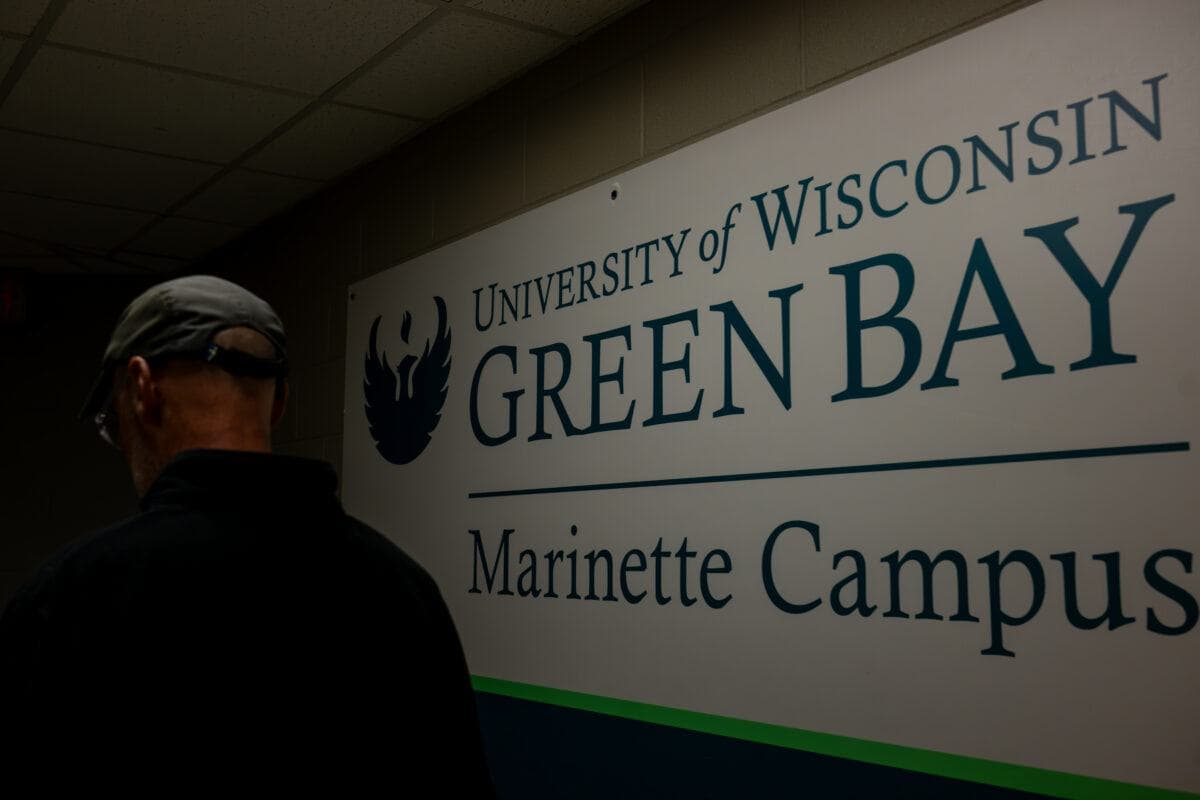
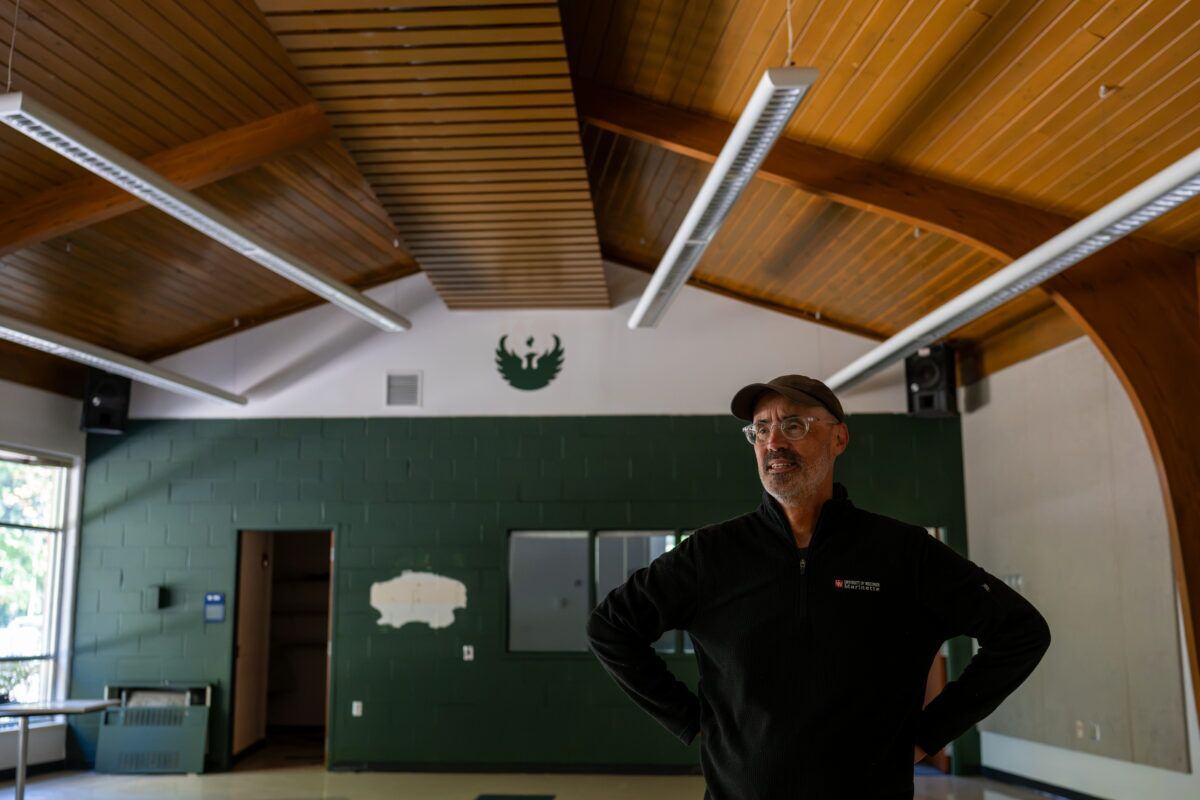
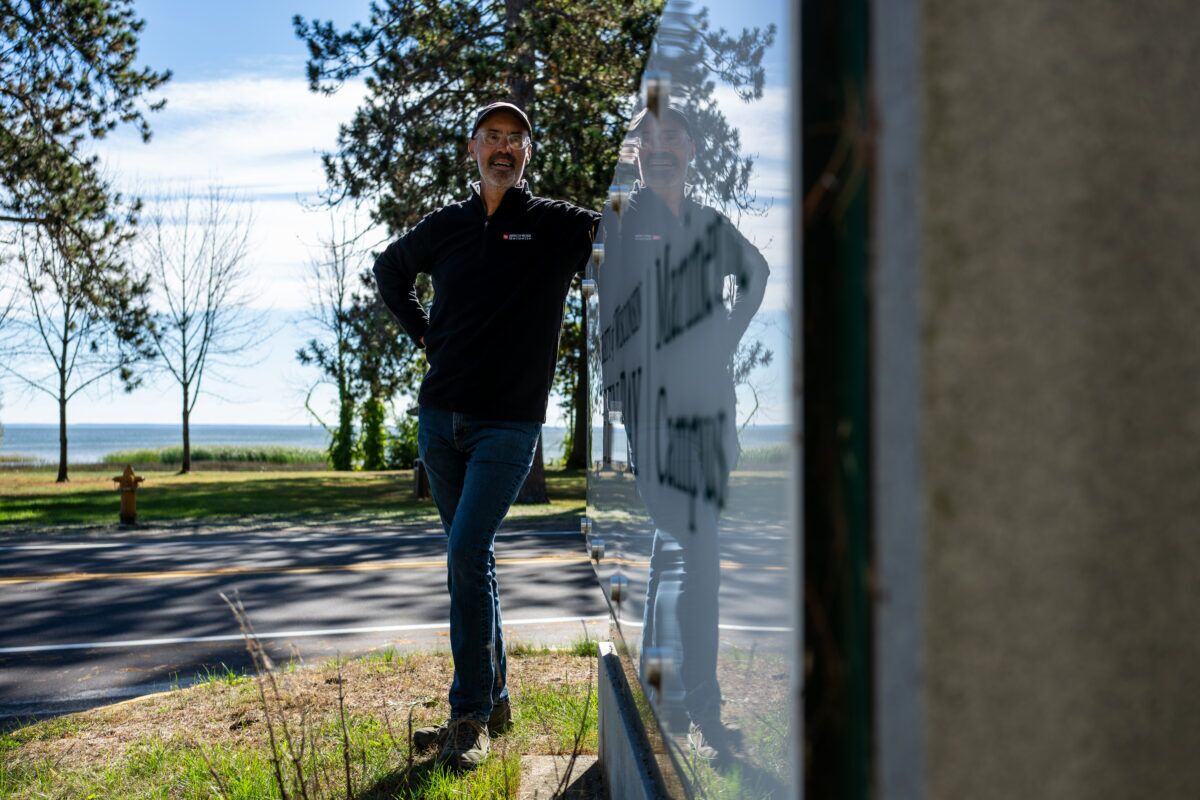
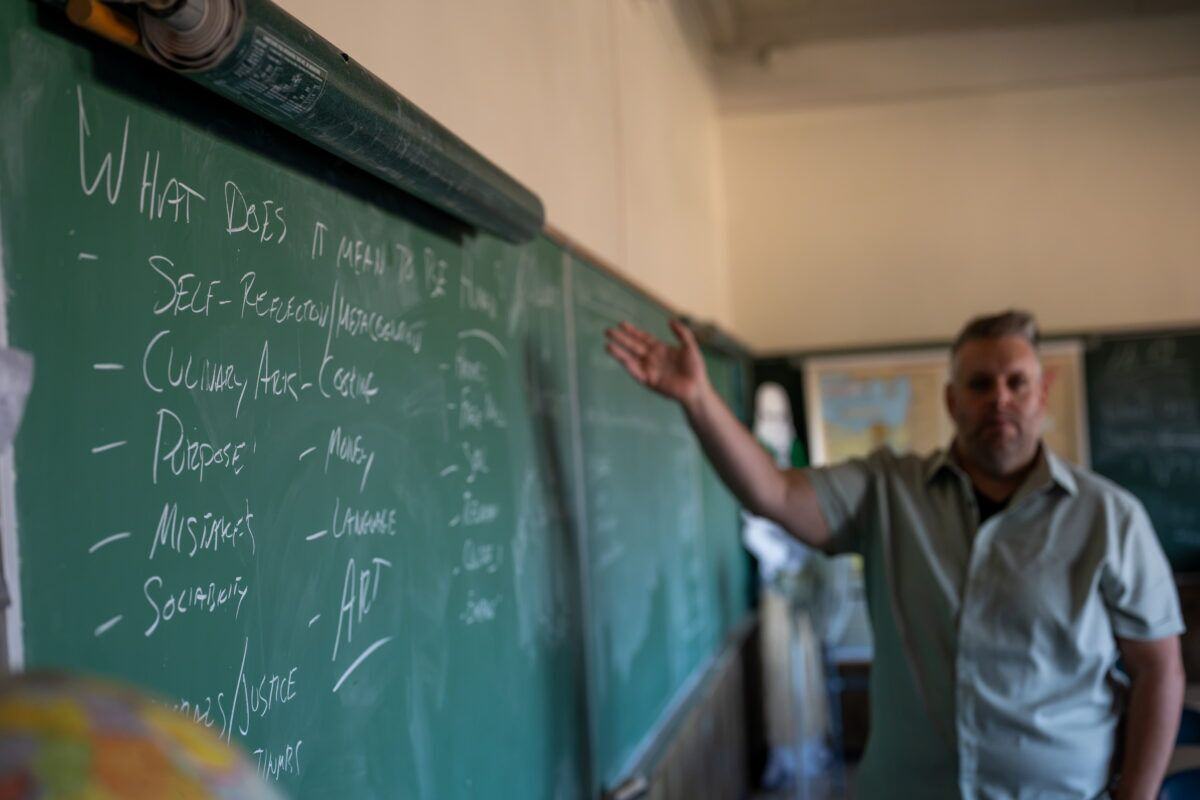
Dan Kallgren, pictured here, spent his career teaching history at the University of Wisconsin-Marinette, outside of Green Bay. The school is one of eight two-year branch campuses shuttered by the University of Wisconsin system in the past three years. These two-year transfer colleges have long provided an accessible, affordable on-ramp to higher education, especially for rural and first-generation college students
Source: Kara Counard
Gutting Two-Year Colleges Leaves Rural Students Behind
As Wisconsin hollows out access to liberal arts and higher ed, experts warn of education “desertification”
Oct 7, 2026, 9:11 AM CT
Share


This story was originally published by Barn Raiser, your independent source for rural and small town news.
Last May, just weeks before the end of the semester, students, staff and faculty at the University of Wisconsin—Platteville Baraboo Sauk County received the devastating news that the school was closing. Students scrambled to arrange transfers to other colleges, while employees tried to line up jobs elsewhere in the UW system. By the end of the month, ‘Boo U,’ as it was affectionately named, a fixture in south-central Wisconsin for nearly 60 years, was no more.
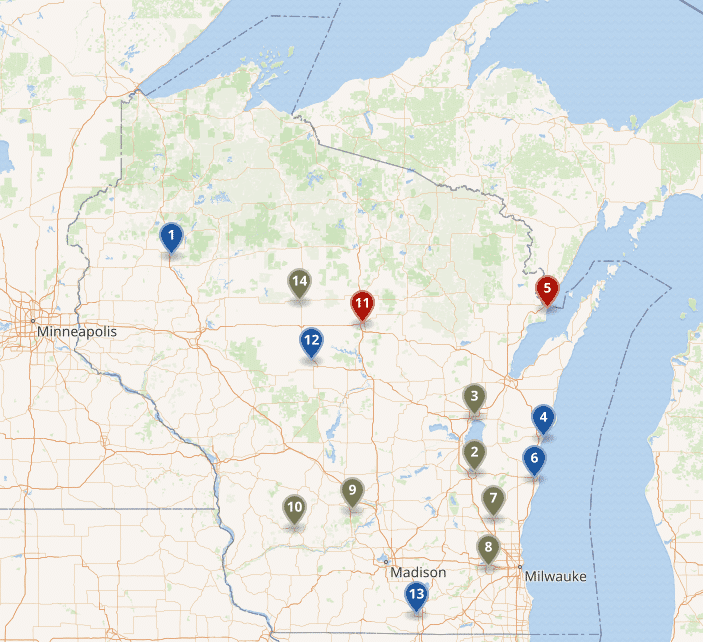
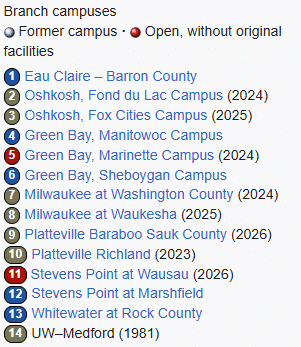
The Baraboo campus was just the latest UW school to close its doors. In the past three years, the University of Wisconsin has permanently shuttered eight of its 13 branch campuses. The five that remain open face an uncertain future. With their focus on the liberal arts, these two-year transfer colleges have long provided an accessible, affordable on-ramp to higher education, especially for rural and first-generation college students.
To mark Boo U’s closing, instructors and students held a celebration to pay tribute to the school. Among the guests: members of the very first graduating class, who received their associate degrees in the 1970s, two years after the school opened.
“It was really a memorial,” says Karen DeSanto, a first-term Wisconsin state legislator who represents Baraboo. “The students talked about how this place shaped and changed lives in this community. We don’t have that any more.”
In recent years the pace of colleges shutting down has ticked up. According to analysis by the Hechinger Report, colleges are now closing at a rate of nearly one per week. And yet within this trend of schools on the losing end of a battle with falling enrollment and shrinking resources, the demise of Wisconsin’s two-year colleges remains something of an outlier. The colleges that have closed or are at risk of closing are overwhelmingly private institutions.
University of Wisconsin officials have cited steep declines in enrollment to justify the closure of the campuses. While the UW system has seen enrollment drop by more than 10% since 2010, the decline has been especially acute at the two-year schools. In its final year of operation, Boo U had just 100 students, down from more than 500 just a decade ago. Plunging student numbers meant that revenue was no longer enough to keep up with facility, staff and infrastructure costs.
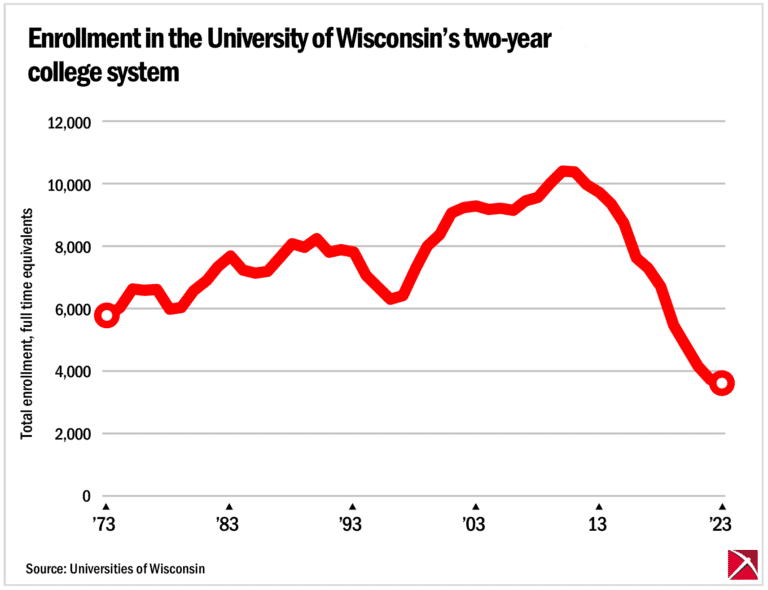
But a shortage of students is only part of the story. Years of budget cuts, beginning under former Republican Gov. Scott Walker in 2015, in concert with a series of tuition freezes, have left the UW system among the worst funded in the nation. The branch campuses were hit particularly hard by the cuts. Then in 2017, UW approved a sweeping merger, making the two-year colleges regional branches of the state’s four-year schools. This set off a competitive scramble for students within the UW system that pitted the two-year schools against bigger, and better resourced, institutions.
“At that point the writing was really on the wall,” says Dan Kallgren, who spent his career teaching history at UW-Marinette, outside of Green Bay.
Marinette was once the third largest branch of the two-year colleges, all of which operated independently under the University of Wisconsin Colleges. But after the merger, enrollment collapsed. In the race to attract students, and revenue, many of the four-year schools, including UW Green Bay, eased admissions requirements. Students who might have started off at the two-year college now went directly to UW-Green Bay instead.
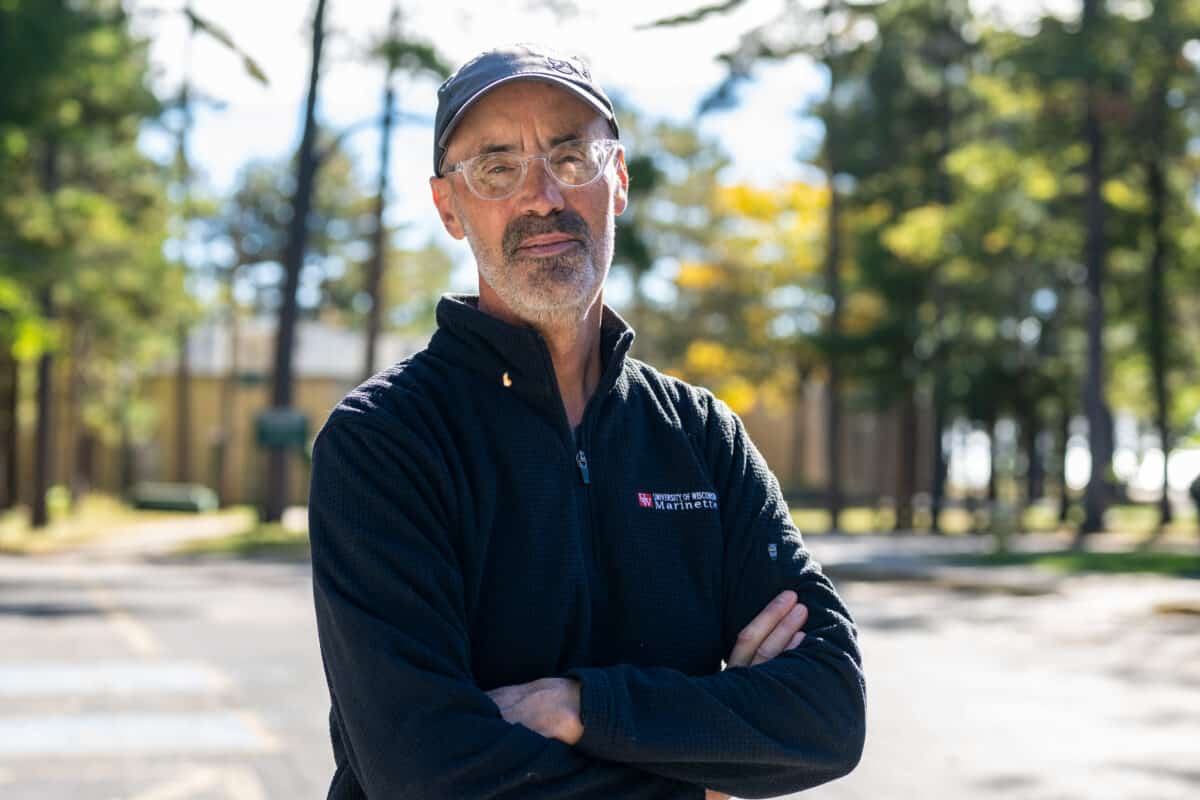
Marinette ended in-person instruction in 2024, then limped along for another year offering remote classes. Kallgren taught the final course at the school: a Western Civilization survey class, beamed out via video link to students in Manitowoc and Sheboygan. “I was the last faculty member on campus,” recalls Kallgren.
UW officials insist that even with the shuttering of the rural campuses, Wisconsin students still have plenty of options to choose from, including 13 four-year schools across the state and 16 technical colleges.
But Kallgren says that argument fails to acknowledge the unique role that liberal arts schools like Marinette have played in letting rural students effectively try out college in a uniquely supportive and affordable environment before transferring elsewhere.
“Think about the rural kid screwing up his courage and coming here, then getting turned on to engineering or history,” says Kallgren. “That avenue is now closed.”
arrow_back
arrow_forward
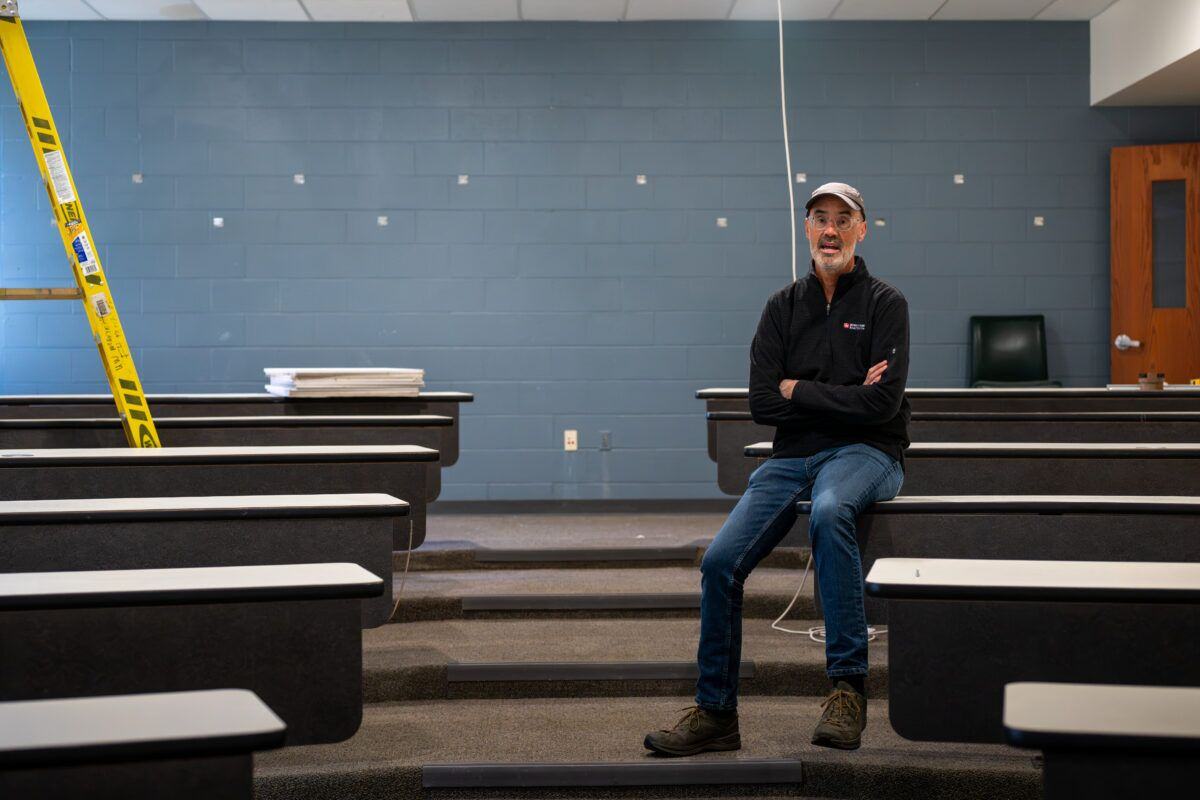
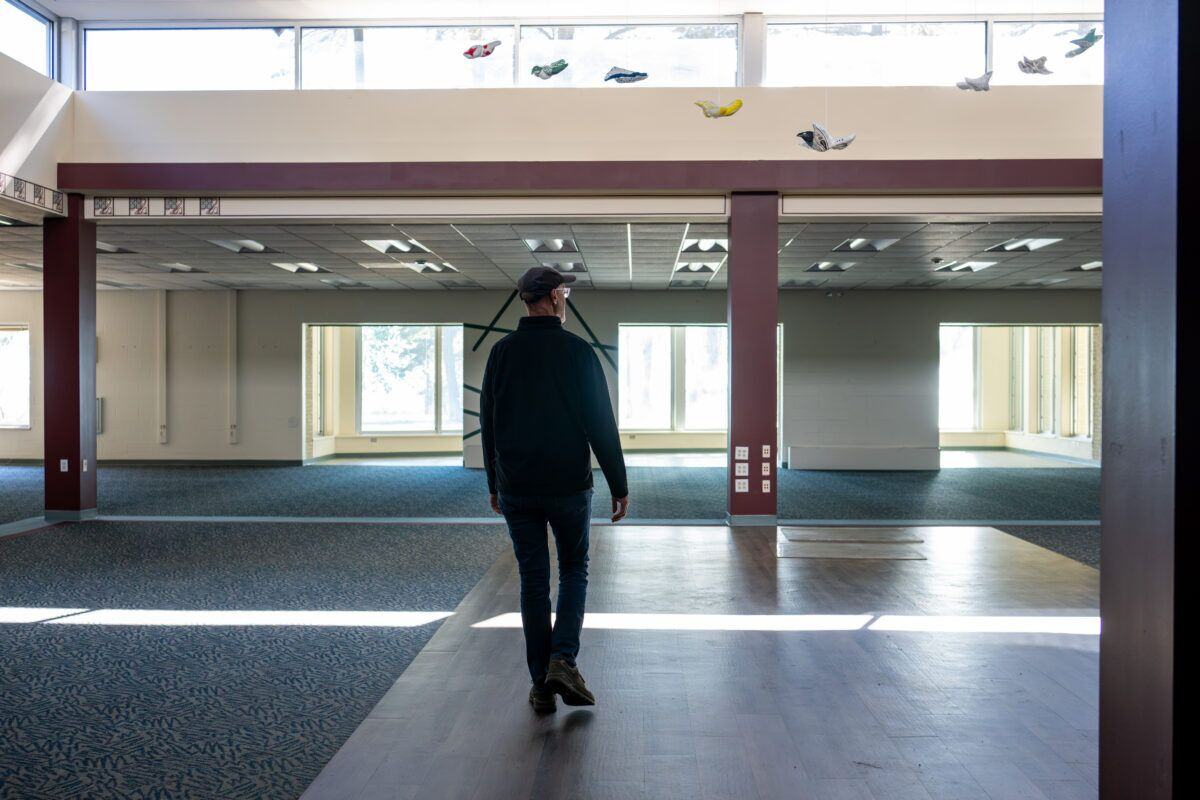
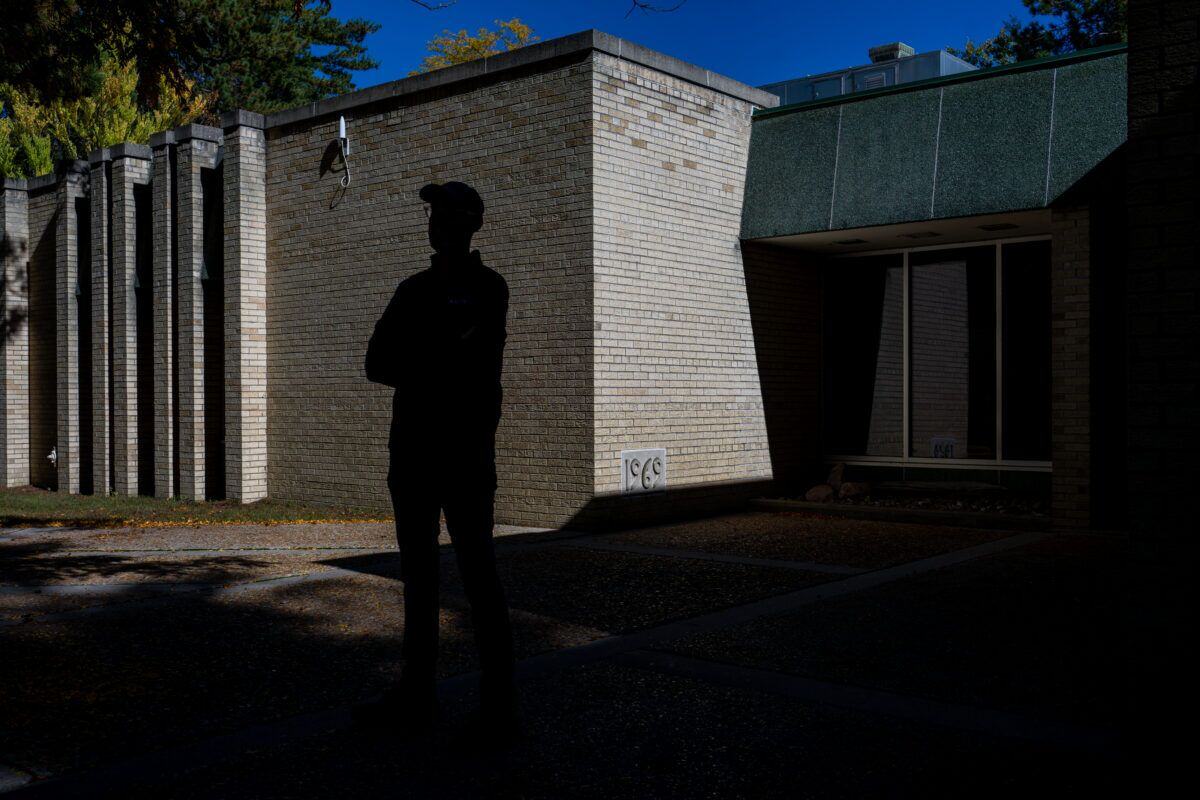
Dan Kallgren taught several classes in this now abandoned lecture hall at UW-Marinette.
(Kara Counard)
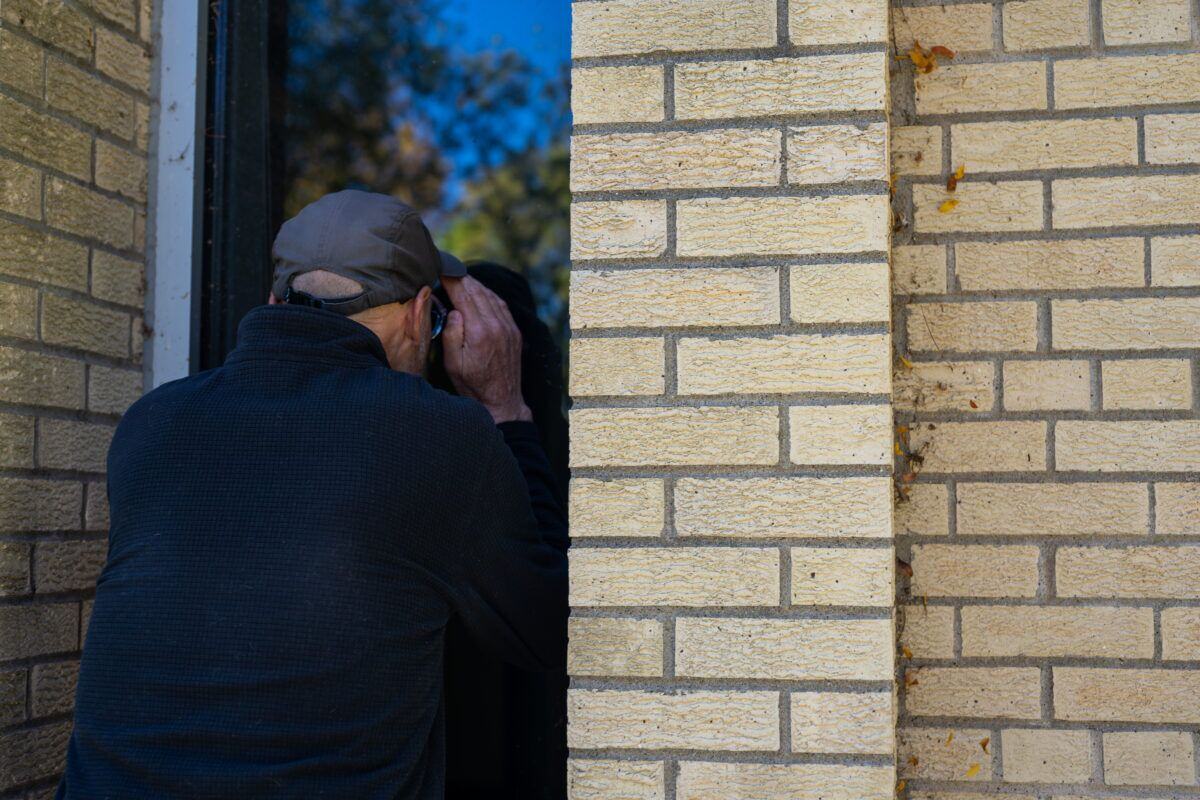
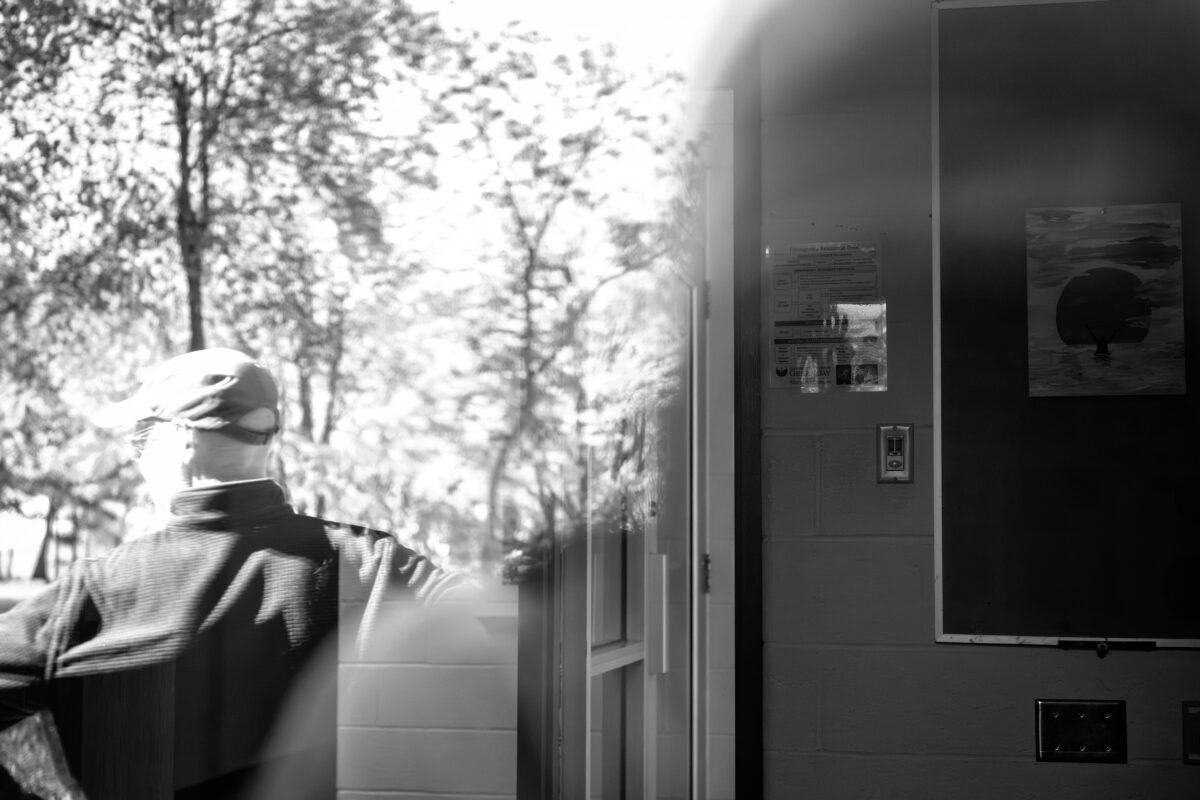
Dan Kallgren peers into the window of the office where he used to work.
(Kara Counard)
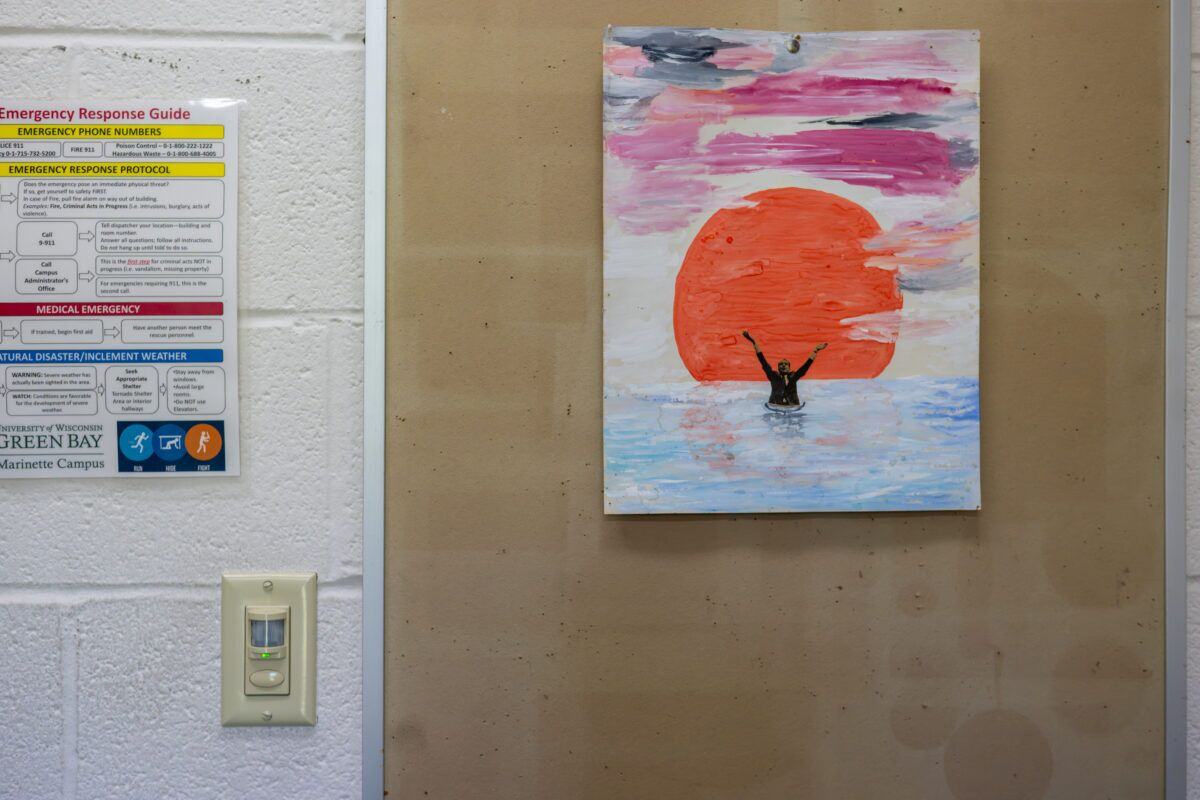
This painting of Richard Nixon was left by a previous professor who occupied Dan Kallgren’s office. Kallgren decided to leave the painting behind for whoever uses the building next.
(Kara Counard)
(Kara Counard)
(Kara Counard)
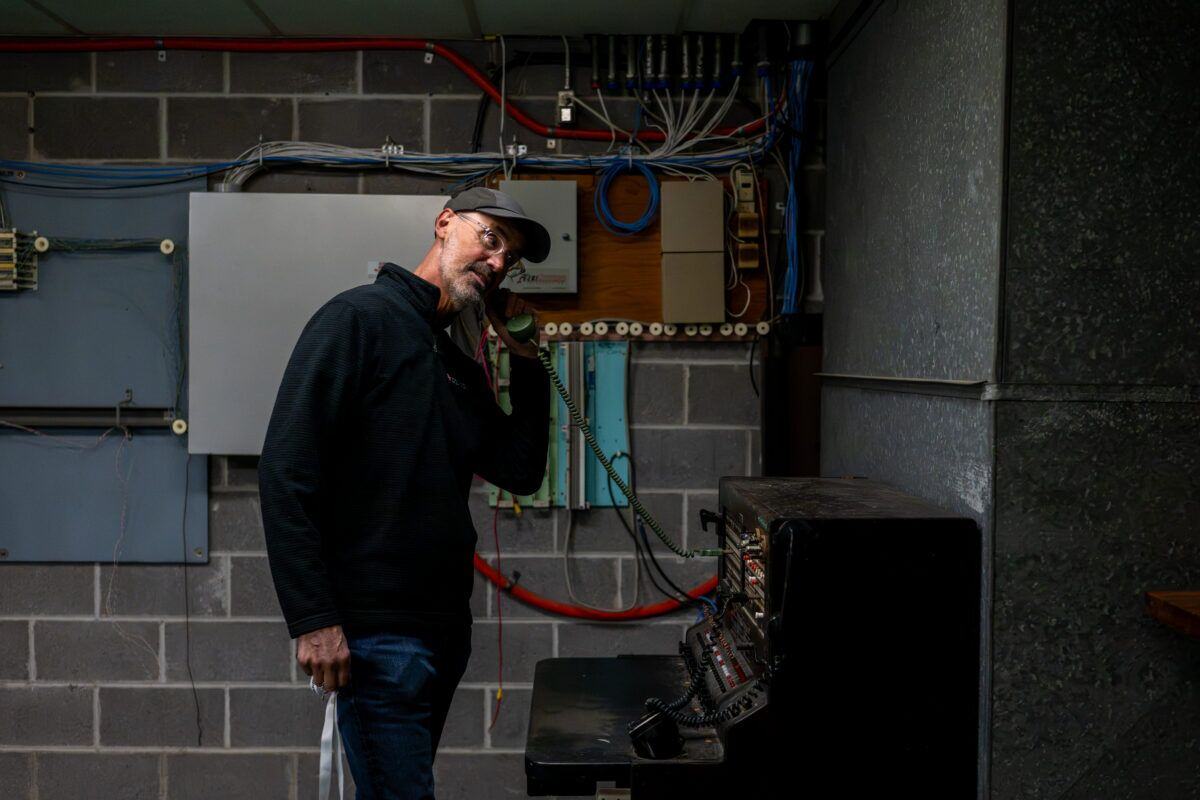
(Kara Counard)
(Kara Counard)
(Kara Counard)
Education deserts
Despite the popular notion of students venturing far away to attend college, most students enroll at a campus within 20 miles of home. That’s according to extensive research by scholar Nicholas Hillman, who formerly directed a research lab at UW-Madison and is now an education professor at Indiana University. Hillman found that proximity to a college is associated with higher levels of postsecondary enrollment.
But the inverse is also true. As distance grows between a student and a school, the odds of them enrolling drops. Hillman calls regions with fewer colleges and universities “education deserts,” and warns that Wisconsin is pursuing the higher education equivalent of “desertification.”
“They’ve hollowed out the two-year schools and the liberal arts transfer mission and now they’re sealing the coffin,” says Hillman. “The question is, if you shut one door, have you opened another?”
That doors are closing for Wisconsin’s rural students appears to be borne out by data. Previous reporting on college access in rural communities found that the number of rural students enrolled in the UW system has dropped at a rate greater than the overall decrease in college attendance. While the decline has many causes, including a political backlash against higher education in the state’s conservative rural regions, the shuttering of the branch campuses is likely to exacerbate that trend.
The winnowing of college options in states like Wisconsin reflects a larger story about inequality in higher education. Douglas Haynes is a professor of English at UW-Oshkosh and the author of “Teaching Toward Slow Hope: Place-Based Learning in College and Beyond,” a new book on higher education in the upper Midwest. He argues that while institutions that serve low-income and rural students are closing or being starved of resources, Wisconsin’s flagship university, UW-Madison, is able to offer its more affluent student body boundless opportunities. “People don’t realize the contrast between schools where programs are being cut and Madison where the world is your oyster,” says Haynes.
The closure of the two-year schools is likely to further exacerbate the widening divide between educational haves and have nots, Haynes argues. “There are going to be increasing numbers of students who just don’t go to college any more.”
A recent study found that Wisconsin has the second highest rate of “brain drain” in the country, as young, educated workers move out of the state after graduating. Haynes says that diminishing college access creates another form of brain drain in which young rural Wisconsinites are deprived of opportunities at the front end. “When we limit college access we’re also limiting the kind of impact these students might have had in their own communities,” says Haynes.
The Wisconsin Idea
Alex Stevens grew up in Stevenson, Michigan, a small town on the Upper Peninsula. Unlike many of his high school classmates, Stevens always knew that he wanted to attend college and study history, but with a disabled mother, both distance and cost were major concerns.
“I was raised by my grandparents, and I knew that caring for my mother was going to become my responsibility,” says Stevens. He would end up choosing the nearest college option, 25 miles down the road and over the state line in Wisconsin: UW-Marinette. “It just made sense to go there.”
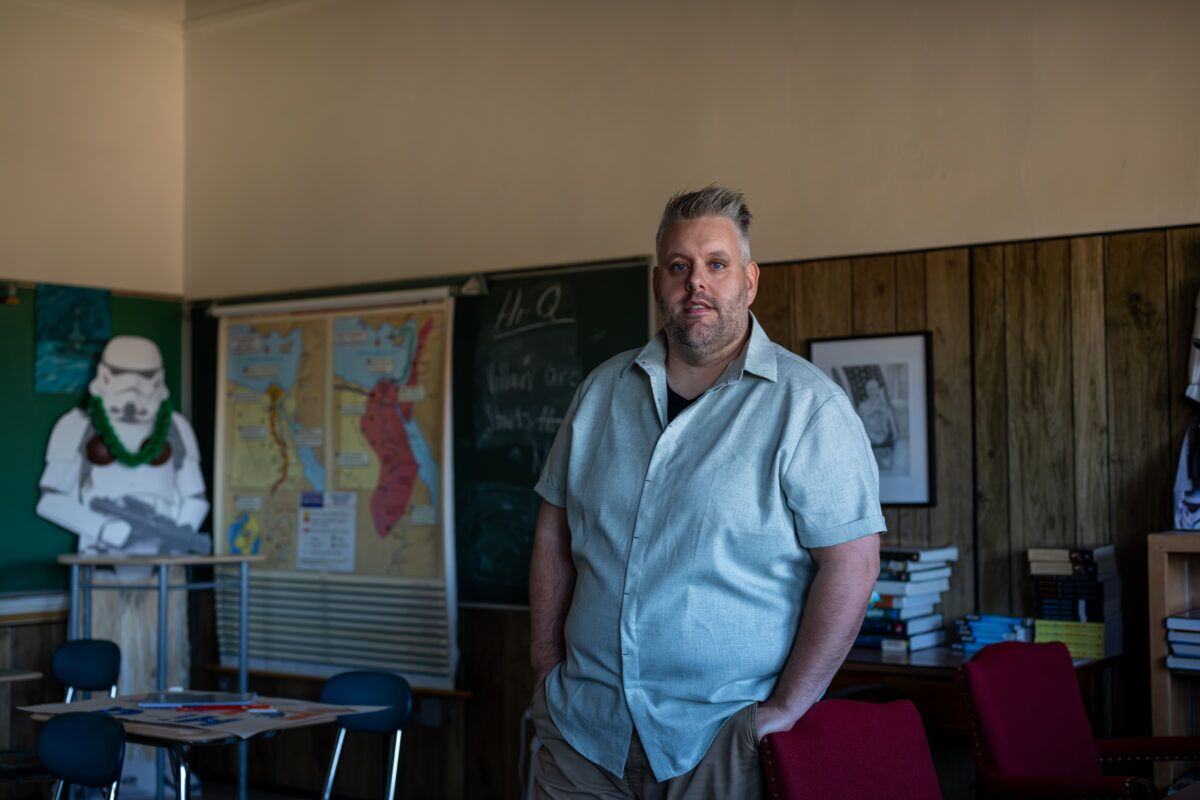
He thrived at the school with its small campus, intimate class sizes and what he describes as top-notch educators, who were eager to work with him. Stevens’ favorite courses were sweeping interdisciplinary examinations of U.S. history taught by professors of history, music and film. After two years, and with almost no college debt, Stevens transferred to UW-Green Bay to pursue a history degree. He now teaches history and social studies at a Catholic high school in Marinette.
“I was rural, poor, and smart and UWM gave me a remarkable opportunity,” says Stevens.
Today, Stevens’s trajectory is much less likely, and not just because the Marinette campus is gone. Wisconsin has also steadily moved away from the liberal arts emphasis that was at the core of the mission of the two-year transfer schools.
In 2023, Jay Rothman, who served as president of the University of Wisconsin before he was fired in April of this year, set off a firestorm with his recommendation that colleges in the system shift from liberal arts programs to more career specific programs, “particularly if the institution serves a large number of low-income students.” An investigation by student journalists at UW-Madison found that of 82 academic programs within the UW system that have been cut or eliminated in recent years, the majority were in the humanities or social sciences.
“There is an increasingly narrow focus on vocational education,” says Alyssa Ratledge, who studies rural higher education issues at MDRC, a nonprofit research group. She says that closure of the branch campuses and the elimination of majors reflect a broader shift in how states like Wisconsin view the purpose of higher education.
“It’s all about getting a job with a positive ROI [return-on-investment],” says Ratledge. “But students also go to college to try things out and discover who they are.”
As the branch campuses disappear, the expansive notion of higher-education-for-all known as the Wisconsin Idea—the Progressive-era vision that education should improve people’s lives outside the classroom—is also in retreat.
In Baraboo, the community is now debating what to do with a cluster of empty buildings, including the former home of the theater department that once hosted musicals and plays for locals. DeSanto says that the “town and gown” partnership produced generations of performers, from amateur actors like her to aspiring professionals. That loss will be keenly felt, she says. “It’s like a chasm has opened up.”
In 2023, Lauren Albaugh landed her dream job, leading community engagement for the theater arts program at UW-Marinette. Then came the word that the campus was closing. Today Albaugh is one of just two employees left at the school—a maintenance man inspects the mothballed facilities once a week.
For now, the theater program she oversees is alive and well, thanks to a partnership with UW Green-Bay, private donations and event ticket sales.
Albaugh says that she’s hopeful that the programming, including community and children’s theater, will inspire young people here as it did when she was growing up in Marinette. Cast in Willy Wonka Jr. at the age of 7, Albaugh has never looked back. “I really attribute my love for the arts to this theater program. That it’s thriving feels very encouraging.”
This reporting is part of a collaboration with the Institute for Nonprofit News’ Rural News Network. Five nonprofit newsrooms were involved: Barn Raiser, Carolina Public Press, Mountain State Spotlight, Oklahoma Watch and Shasta Scout. The series was edited by veteran investigative editor Dee J. Hall, co-founder and former managing editor of Wisconsin Watch. Support from Ascendium Education Group made this project possible.
Have thoughts or reactions to this or any other piece that you’d like to share? Send us a note with the Letter to the Editor form.


