

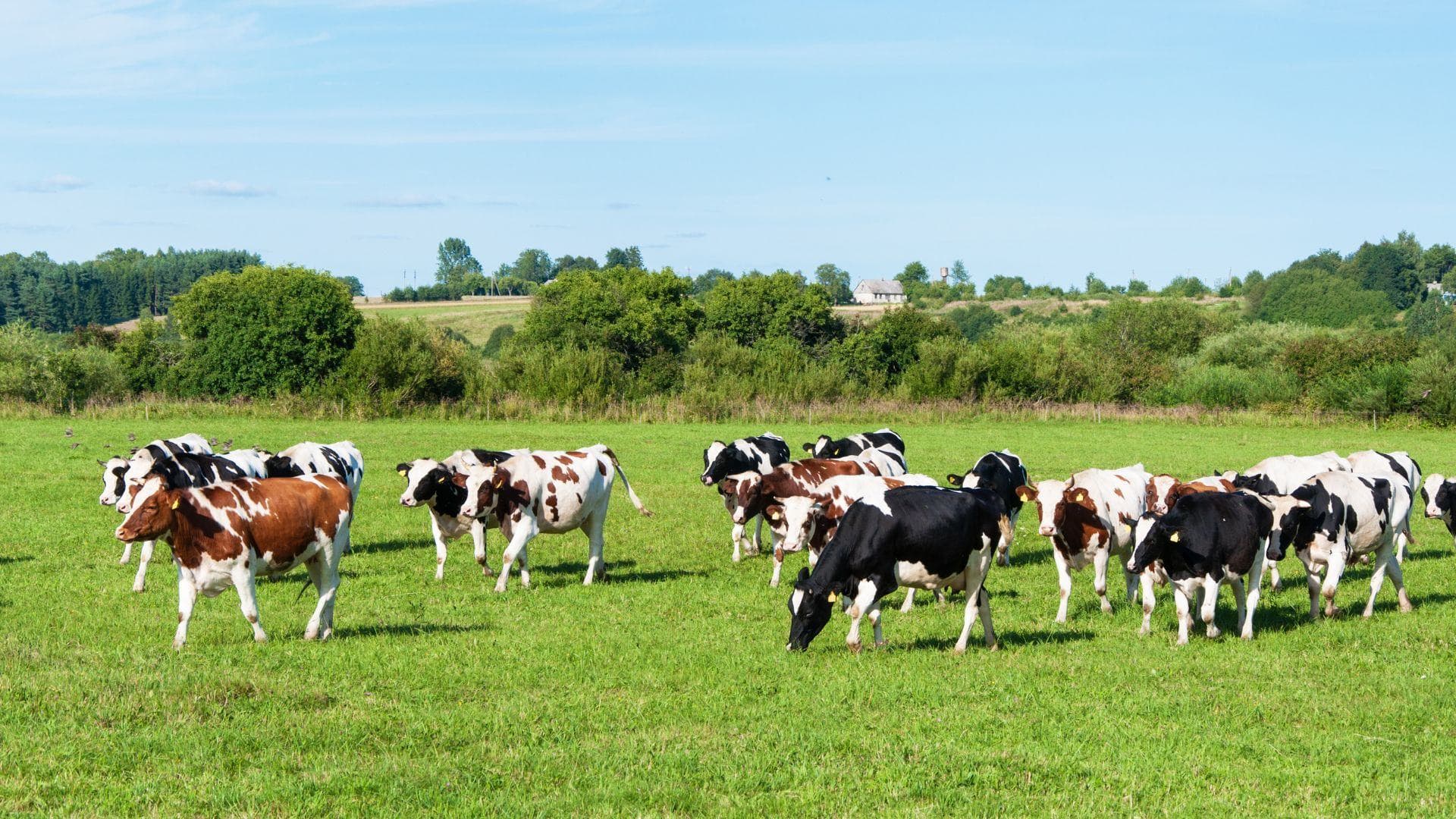
Non-lactating dairy cattle in Waukesha County tested positive for epizootic hemorrhagic disease
Sep 30, 2026, 9:06 AM CT
Share


The Wisconsin Department of Agriculture, Trade and Consumer Protection (DATCP) has officially confirmed that samples taken from non-lactating dairy cattle in Waukesha County tested positive for epizootic (ep-ih-zoh-AH-tic) hemorrhagic disease (EHD). The virus has also been identified in local wild and captive deer populations. EHD is a reportable condition that livestock owners and veterinarians must disclose to DATCP within 10 days of discovery.
Transmitted primarily by biting midges and flies, EHD typically surfaces during late summer and early autumn when insect populations peak. Cases generally decline following the season's first hard frost. While Wisconsin last identified an EHD case in cattle in 2013, clinical symptoms in cattle remain uncommon. When signs do appear, they may include fever, excess salivation, weight loss, lameness, and lesions on the mouth, teats, or hooves. Because these symptoms can mimic foreign animal diseases, thorough testing is essential.
Although no specific treatment exists for EHD, livestock owners are advised to partner with their veterinarians to manage herd health, focus on insect control, ensure optimal nutrition, and prevent overcrowding. DATCP emphasizes that EHD poses no health threat to humans, and consuming meat or dairy products from infected animals is entirely safe.

Todd Coppernoll oversees local news for WRCO and WRCE radio in Richland Center. Having served Richland Center as Mayor for three terms, Todd brings a unique perspective, and a familiar voice to the news. The focus is local, and so is the reporter.

Adam Hess has been involved in radio broadcasting since 1990, with many of those years spent on the air at WRCO FM in Richland Center. Currently, Adam hosts the Weekend Wake-up and Prime Mover Saturdays on WRCO FM, jumps in and helps out with news duties, handles Social Media duties for WRCO and WRCE, and is the Director of Technology at a Southwest Wisconsin School District. Reach him at adam.hess@civicmedia.us.


