

Canva.com
More data, more gas? Wisconsin power plant rules face scrutiny
Sep 14, 2026, 8:41 PM CT
Share


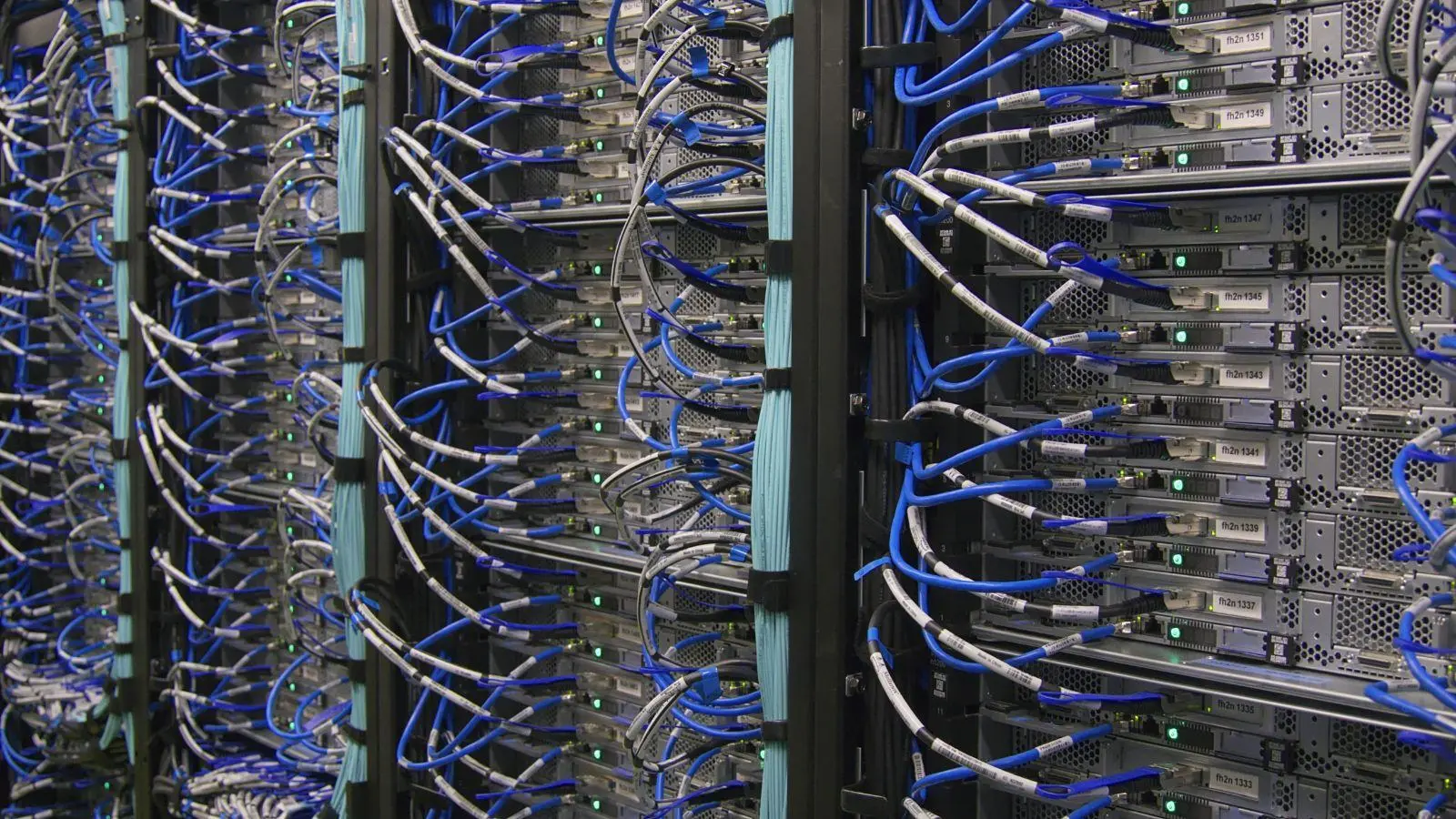
Wisconsin’s data center boom is driving demand for more electricity and clean energy advocates said the state’s utility business model could steer the need toward expensive fossil fuel-based power sources.
The state's utility companies earn a guaranteed return on infrastructure they build, including power plants and transmission lines.
Lauren Reeg, clean energy advocate for the policy research organization Evergreen Collaborative, said it can create a financial incentive for them to invest in fossil fuels.
"Projected demand for data centers gives utilities a justification for proposing large new fossil fuel infrastructure projects rather than investing in lower-cost clean energy alternatives," Reeg explained.
Invenergy is proposing two natural gas plants in Wisconsin totaling nearly 2 gigawatts, which We Energies plans to acquire. The utilities said the projects are needed to maintain reliability as electricity demand grows.
Reeg argued the state needs a new system, requiring utilities to compare all options before building new power plants. The concerns come as federal lawmakers move to roll back limits on pollution from power plants, which environmental advocates said could further encourage new gas plants as data center demand grows.
Reeg pointed to a Union of Concerned Scientists report, showing Wisconsin’s rules allow power companies to get approval to build a plant before a utility decides whether to buy its power. She argued it could leave customers on the hook for an expensive gas plant if a data center never gets off the ground.
"With data centers growing rapidly, Wisconsin really should be asking, do we actually need these power plants? Who is paying for them? And could cleaner alternatives make that same demand at lower costs?" Reeg outlined.
The group estimated data centers could account for up to 68% of Wisconsin’s electricity demand growth by 2030, potentially leaving consumers on the hook for as much as $30 billion in added electricity system costs over the next 25 years.
While regulators have so far blocked utilities from shifting data center costs to regular customers, Wisconsin residential electric rates still rose nearly 29% since 2021 and both We Energies and Wisconsin Public Service are seeking double-digit rate hikes for the next two years.
Judith Ruiz-Branch wrote this story for Wisconsin News Connection, a member of Public News Service.


