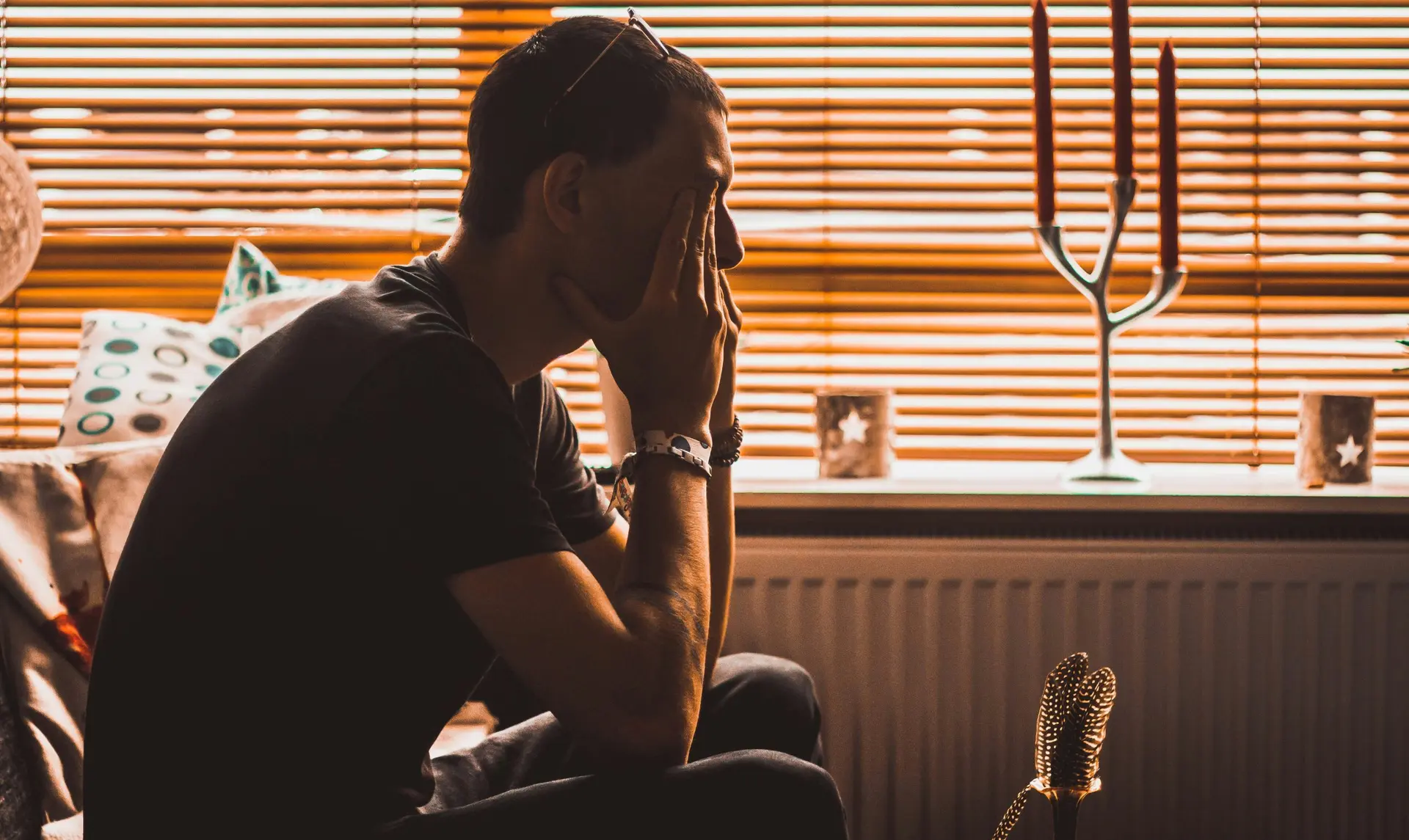


Brainerd lost two of its children this summer. Ava Starr was 11 years old. Alexis Thornton was 13. Both were students at Forestview Middle School. They died three weeks apart.
Brainerd is grieving. But Brainerd is not alone. Across Minnesota — in small towns and lake communities, on farms and in cities — families are facing the same unbearable loss. As Minnesotans, and as people who work every day on mental health, we owe it to Ava, to Alexis, and to every family living with this kind of grief to say plainly what is happening and what we must do about it. Minnesota is losing young people to suicide, according to deeply concerning recent data.
Preliminary data from the Minnesota Department of Health shows that in 2025, Minnesota’s statewide suicide rate increased by 4% — more than 800 deaths in a single year. Rates are higher in rural counties than in the metro. And while suicide rates for older teens and young adults appear to have stabilized or declined, rates among children ages 10 to 14 are moving in the wrong direction. Ten to fourteen. Kids in middle school. Kids like Ava and Alexis.
This is not an abstraction. This is happening in communities across our state — places where neighbors know each other by name, where kids ride the same buses, where grief travels fast and lingers long.
And yet the resources needed to respond — school counselors, community mental health providers, crisis services, prevention programs — are not equally available to every Minnesota family. In many parts of our state, particularly outside the Twin Cities metro, the gap between need and available care can be vast. Distance is its own barrier. Stigma is another. And the shortage of mental health professionals across Greater Minnesota is not a new problem — it has simply grown more urgent.
Bullying, which is recognized as an adverse childhood experience, is part of this picture, too. We have learned that both Ava and Alexis were being bullied before they died. While bullying does not cause suicide nor is it the sole reason for a suicide loss — a complex public health issue — we know that bullying can intensify the pain of a child who is already struggling. Schools, families and communities all have a role to play in creating trauma-informed and responsive environments where kids feel safe, seen and supported — not just academically, but as whole human beings.
So what do we do?
We start by talking. For too long, suicide has been treated as something too frightening or too shameful to name. That silence costs lives. Parents can ask their children directly and compassionately how they’re doing — not just about grades or activities, but about how they feel. Teachers and coaches can be trained to recognize warning signs, and to be trusting adults that kids feel safe talking to. Communities can hold space for these conversations without shame, and prioritize bringing awareness to available resources.
We invest in prevention. Minnesota has evidence-based programs that work — in schools, in communities, in healthcare settings. But they require funding and political will to reach every corner of the state, including the corners that tend to be overlooked. For example, one practical place to start is taking a QPR training. Question, Persuade, Refer is a free, evidence-based course offered by NAMI Minnesota that teaches everyday people how to recognize the warning signs of suicide and how to respond. In 90 minutes, a parent, a teacher, a coach, a neighbor can learn skills that may one day save a life. It’s available online, which means distance is no barrier — anyone in Minnesota can access it from wherever they are.
We address the rural mental health workforce crisis. Telehealth has helped close some of the gap, but it is not sufficient on its own. We need loan forgiveness, other incentive programs, and sustained investment to bring mental health professionals to communities that need them.
We ensure both kids and adults know that there is someone to talk to. The 988 Minnesota Lifeline provides connection to free and confidential support for anyone experiencing mental health or emotional distress. Trained specialists are available 24/7 by dialing or texting the three-digit number 988, or by chatting online at 988lifeline.org. Middle and high school students throughout Minnesota’s school districts and charter schools can find the 988 Lifeline information on their student ID card.
And we hold the losses of Ava Starr and Alexis Thornton, and every family who has walked this road, at the center of everything we do. Not as statistics. As children.
NAMI Minnesota stands ready to help. We offer free education programs — including QPR suicide prevention training — and free support groups for individuals and families living with mental health challenges. No one should have to navigate this alone, and no community should have to face it without support.
To bring a QPR training to your school, faith community, workplace, or community organization, or to find a support group near you, visit namimn.org or reach our HelpLine by calling 651-645-2948 or emailing namihelps@namimn.org. If you or someone you know is in crisis, call or text the 988 Lifeline available 24/7/365.
Our children are telling us something. Let’s make sure we’re listening.