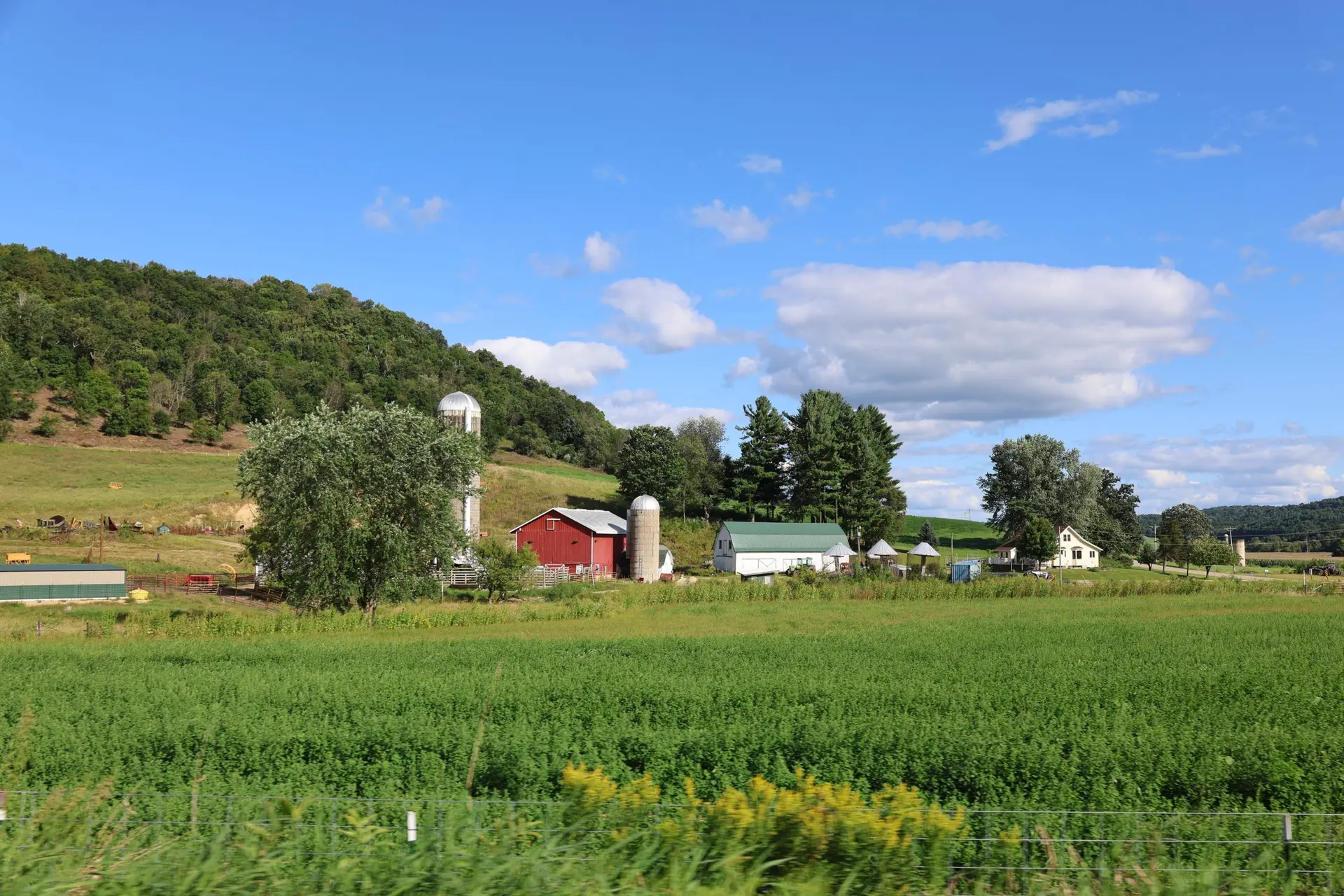


A sustainable agriculture project that incentivizes farmers to plant trees on their land is taking applications from Wisconsin producers.
Organizers for the Expanding Agroforestry Project say it provides farmers with potential economic and environmental benefits, including income diversification, enhanced farm resilience and improved soil health.
Graham Savio, North America agroforestry program manager for the Nature Conservancy, said agroforestry can also help improve water quality and wildlife habitats. Savio said the project gives technical assistance to farmers while helping them develop their market, “which kind of hits on all cylinders, doing good things for farmers in terms of their productivity and resilience in the face of increasingly extreme weather events, and also just good for ecosystem service provision in general.”
The project aims to plant tens of thousands of acres of trees and shrubs across 30 states in the next three years, financed by federal funds from the U.S. Department of Agriculture.
The current application cycle is open until Aug. 11. People can learn more at nature.org.
The Savanna Institute is one of six regional partners for the project.
Experts say native ecosystems have historically been cleared on farmland to make way for row crops and expansive pastures. Savio said this largely replaced naturally diverse landscapes like the native oak savannas that once dominated watersheds on the Great Lakes.
“One of the things we’re trying to work around here is to increase the understanding that there are ways to integrate trees within existing crop and livestock production systems that have synergistic effects,” Savio said.
Experts say agroforestry can reap the benefits of trees while producing crops such as hazelnuts, chestnuts and elderberries that farmers can sell.
Savio noted the practice can also have challenges, including trees providing too much shade or potential negative interactions between trees and farm animals. Savio said the program aims to help farmers strike a delicate balance and minimize those antagonistic effects.