

State and local governments have paid more than half a billion dollars in tax breaks to meat processing companies over nearly 20 years to attract new processing plants, as industry-wide transformation and consolidation have led to plant closures and major restructuring.
Just eight companies make up the majority of production in U.S. beef, pork and poultry.
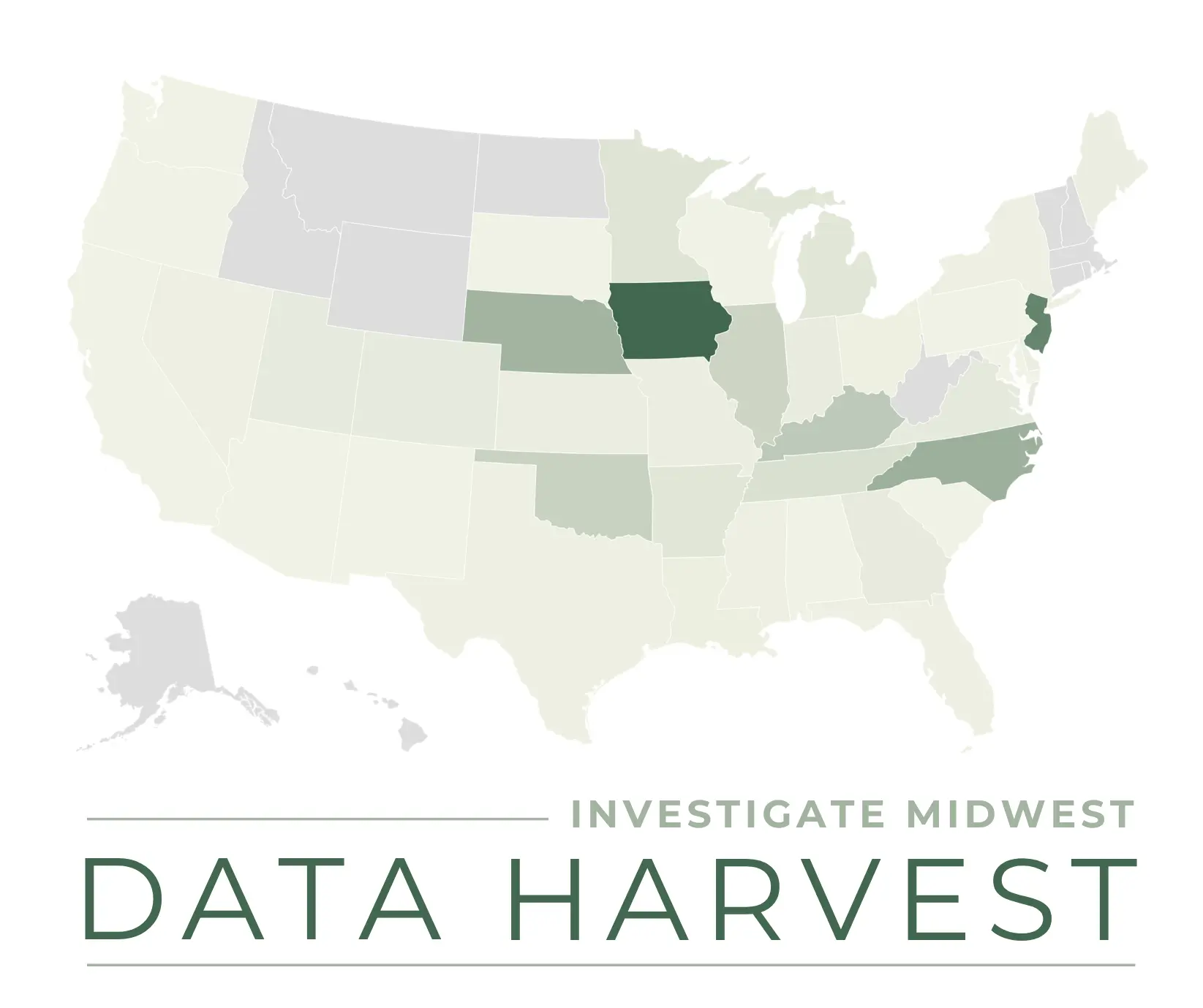
Over the past two decades, these companies estimated a total of 69,037 new jobs or training slots across 805 subsidy deals in 38 states, according to data from Good Jobs First, which tracks tax subsidy deals across state, local and federal programs. Each job costs, on average, $7,641 in tax breaks. More than half of those hiring estimates came from Arkansas-based Tyson Foods, which produces 20% of the United States’ beef, pork and chicken, according to the company’s own estimates.
While tax subsidies have become increasingly common in the past 20 years, research suggests that these programs often fail to create as many job opportunities as promised, particularly when companies and state agencies neglect to make details of the agreement transparent.
During this time period, the most expensive subsidy went to Cargill in 2016. The nearly $43 million deal from Iowa’s Economic Development Authority promised to create 16 “high quality” jobs — with state requirements for minimum wage and employee benefits — at its Diamond V animal feed facility in Cedar Rapids.
According to a 2023 review, the number of meatpacking plants in the U.S. has decreased significantly, particularly in the beef and swine industries. Between 2006 and 2023, employment in the meatpacking industry dropped from more than 118,000 jobs to just over 71,000.
The small communities surrounding these processing plants, according to a USDA review, often rely on meatpackers as a major source of employment, and are more likely to be impoverished than non-meatpacking communities.