

Source: Getty Images
Jul 3, 2026, 12:17 PM CT


Share
American Heart Association urges extra precautions as temperatures climb nationwide
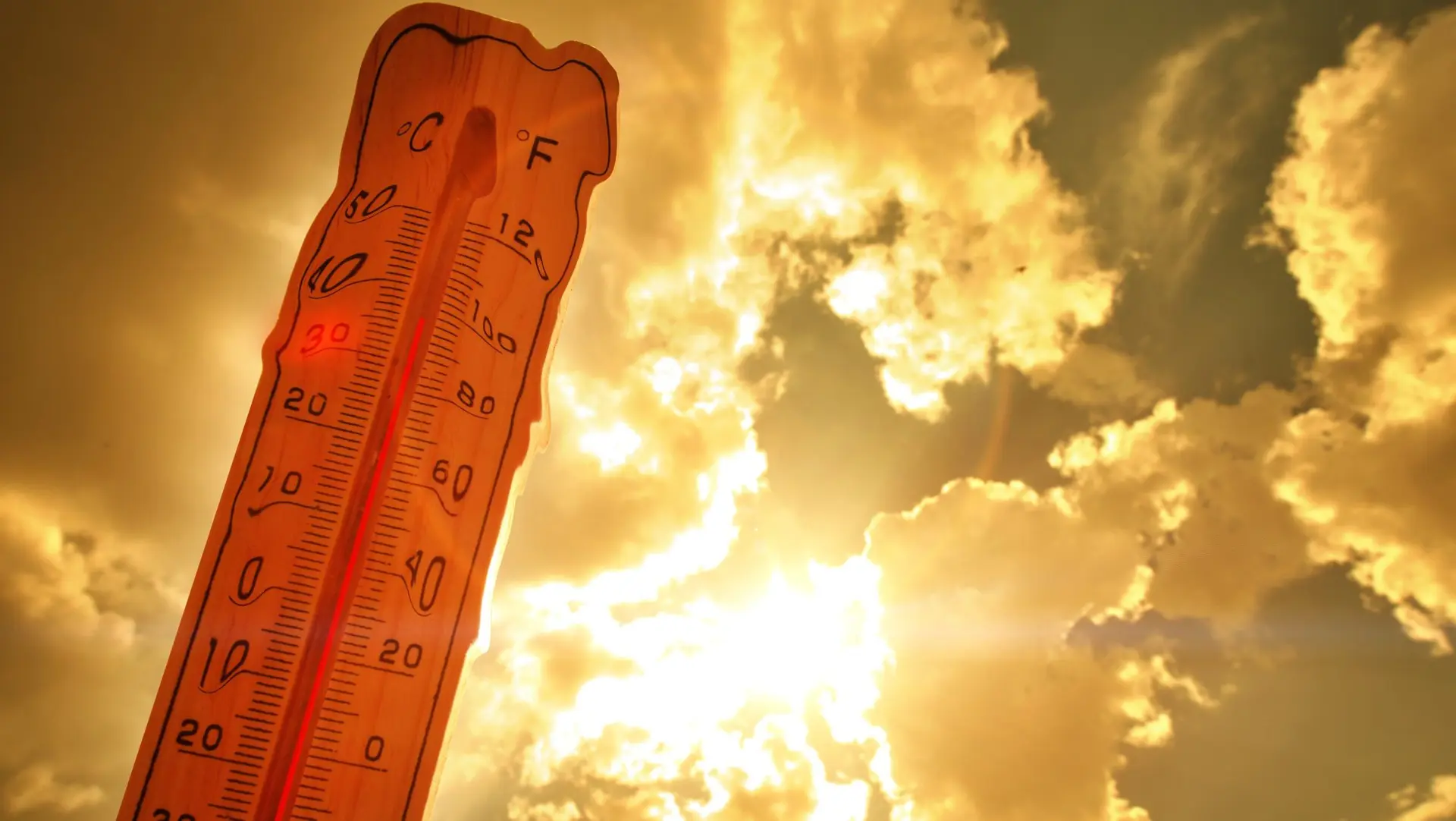
MILWAUKEE, WI, June 30, 2026 — As summer heat intensifies across the United States this week, the American Heart Association is warning that soaring temperatures don’t just make people uncomfortable — they can put serious strain on the heart and increase the risk of life-threatening complications.
Although tragic deaths from major disasters like hurricanes and tornados may get the most news coverage, extreme heat is actually the leading weather-related cause of death in the United States, according to the National Weather Service.
- A report in the Journal of the American Medical Association found that more than 2,300 people died from heat exposure in the U.S. in 2023.
- Research published in the American Heart Association’s journal Circulation projecting that heat-related cardiovascular deaths could more than double in the coming decades.
“Heat forces the heart to work harder,” Milwaukee American Heart Association Board President Dr. Joy Lincoln, of Medical College of Wisconsin and Children’s Wisconsin said. “When your body is trying to cool down, your heart rate increases and your blood vessels expand. For people with heart disease, and even those who are otherwise healthy, that added strain can become dangerous very quickly.”
Why heat is hard on your heart
When temperatures climb, the body sweats to cool itself which can lead to fluid loss and dehydration. At the same time, the heart must pump more blood to regulate body temperature. Together, these changes can put significant stress on the cardiovascular system.
How to protect yourself in extreme heat
The American Heart Association recommends taking simple but important steps to stay safe:
- Avoid peak heat hours: Limit outdoor activity between noon and 3 p.m., when temperatures are typically at their highest.
- Dress smart: Choose lightweight, light-colored clothing and wear a hat and sunglasses. Use sunscreen to protect your skin.
- Stay hydrated: Drink water before, during and after time outdoors. Avoid alcohol and caffeinated drinks, which can contribute to dehydration.
Take breaks: Rest in the shade or a cool indoor space to give your body time to recover.
Know the warning signs because recognizing symptoms early can save your life.
Heat exhaustion symptoms may include:
- Headache
- Cool, pale, clammy skin
- Fast but weak pulse
- Dizziness or fainting
- Weakness or muscle cramps
- Nausea or vomiting
If you experience any of these symptoms, slow down any physical activity and move to a cooler place, cool down immediately by dousing yourself with cold water and re-hydrating. You may need to seek medical attention.
Heat stroke is a medical emergency. Call 9-1-1 immediately if you notice:
- Body temperature above 103°F
- Hot, red, dry or damp skin
- Rapid, strong pulse
- Confusion, headache or loss of consciousness
Nausea
Stay active — but stay safe
Physical activity remains essential for heart health, even in the summer months. Try walking, swimming, biking, skating, building a backyard obstacle course or any activity that gets the family moving. Even gardening, pushing a stroller or walking the dog counts. However, in the heat of summer it may be best to try shifting exercise to early morning or evening hours, when it’s cooler, or move workouts indoors to air-conditioned spaces such as gyms or community centers.
Learn more about staying heart-healthy in the heat at heart.org.


Want More Local News?

Civic Media
Civic Media Inc.
The Civic Media App
Put us in your pocket.


