

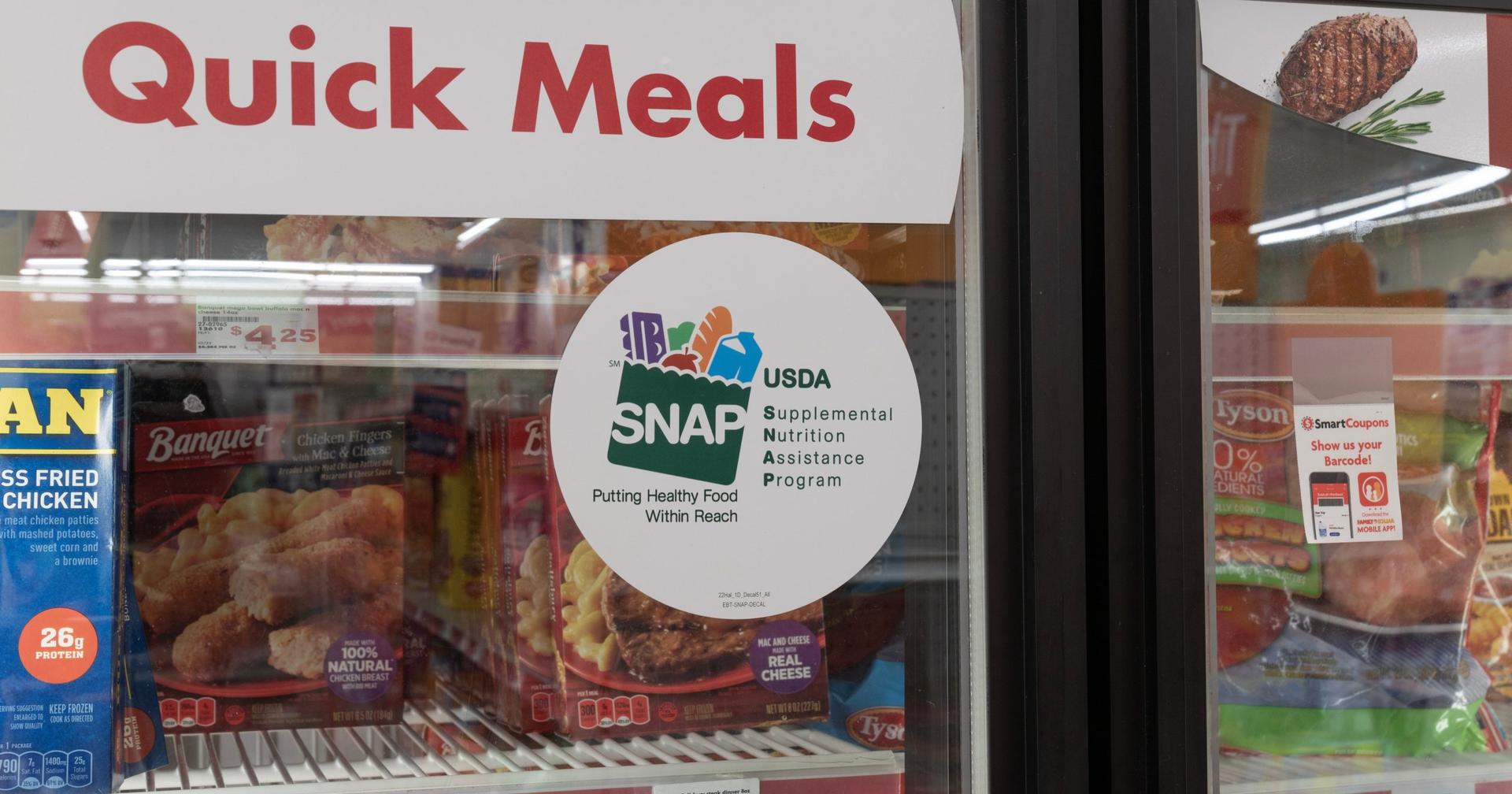


Wisconsin counties are preparing for local impacts from federal changes to the Supplemental Nutrition Assistance Program, known in the state as FoodShare.
Wisconsin is one of 10 states where counties are responsible for administering SNAP benefits. Counties are facing several administrative changes included in House Resolution 1, known as the One Big Beautiful Bill Act.
Hope Otto, director of the Racine County Department of Human Services, said while Wisconsin is stepping up to fill some immediate gaps, county officials are concerned about potential impacts on FoodShare recipients and ripple effects on communities.
“We are going to be able to make the 2027 budget,” Otto acknowledged. “The concern is we’re in a political season. Will that change, and what will the impacts be at the local level if that does happen?”
Otto pointed out FoodShare recipients contribute about $8 million every month to local grocery stores and businesses. In response to the program changes, Otto said her office is meeting monthly with community leaders to discuss emergency response strategies and outreach to vulnerable populations.
She stressed the county plays an important role in aligning community resources from both government and philanthropic sources. She said officials are working proactively to address the interconnected nature of housing, food and medical insecurity.
“I view the county’s role as being a convener and facilitator for conversation because we are the largest social services network in our community and carry the most safety net services,” Otto added.
Changes in federal law now require states and counties to take on 75% of administrative expenses for SNAP. States must also operate under a 6% error rate or face financial penalties. Otto noted Racine County currently has a 3% error rate but it is just one of 11 agencies through which the state’s FoodShare program is administered.