

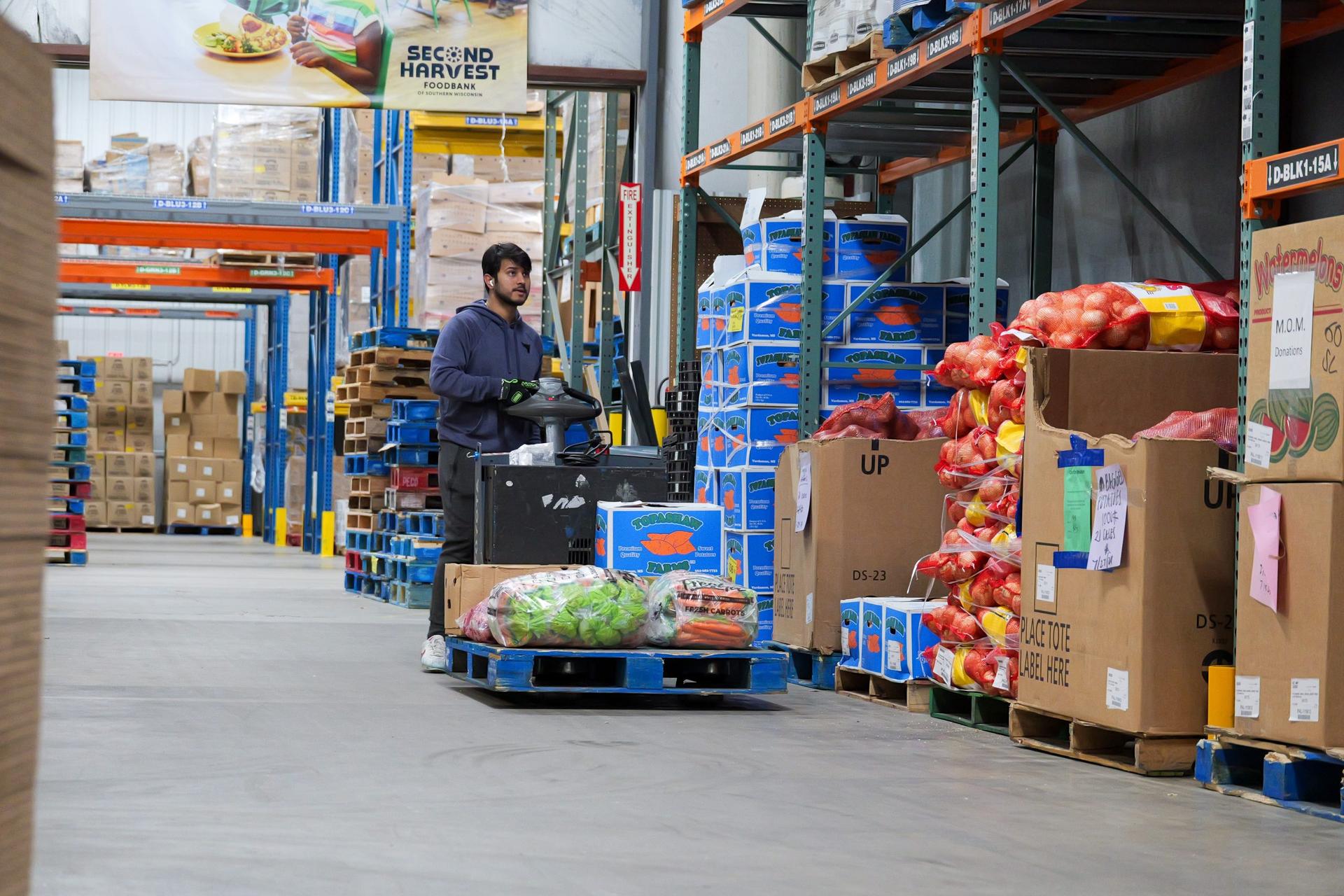
Source: Second Harvest Food Bank / Civic Media

Dec 18, 2025, 1:10 PM CST


Share
It can be hard to hear how food insecurity is worse than ever across Wisconsin. And there are four reasons hunger is rising right now – even as the pandemic feels like it has faded from view.
Demand Higher Now than During COVID-19
Kris Tazelaar describes the demand for food assistance as higher now than it was at the height of COVID-19. Tazelaar is the media and public relations manager for Second Harvest Food Bank of Southern Wisconsin. He says the organization is serving 16 counties and estimates that nearly 147,000 people are struggling with hunger, including about 40,000 children.
“It’s our neighbors,” Tazelaar explains. “It’s the kids who sit next to our kids in school. It’s seniors. Hunger is touching every community.”
Listen to the complete discussion here:
[podcast src="https://civicmedia.us/shows/john-and-gordy-show/2025/12/16/fighting-hunger-and-championing-birds-hour-2"]The recent disruptions to SNAP benefits during a government shutdown delayed some FoodShare payments, which only added strain to families already living on the edge. And while the delay lasted about a week, Tazelaar says it still shined a harsh light on just how fragile the system is – and how quickly hunger can spread when benefits are interrupted.
New SNAP Requirements Add to Impact
But even more concerning, new statewide SNAP requirements took effect December 1 and could further increase need. Adults now have to document up to 80 hours a month of work, training, or volunteering. The age range affected has expanded up to 64.
“We’re just starting to see what impact that’s going to have,” Tazelaar says. “But we’re preparing for more people walking through our partner agencies’ doors.”
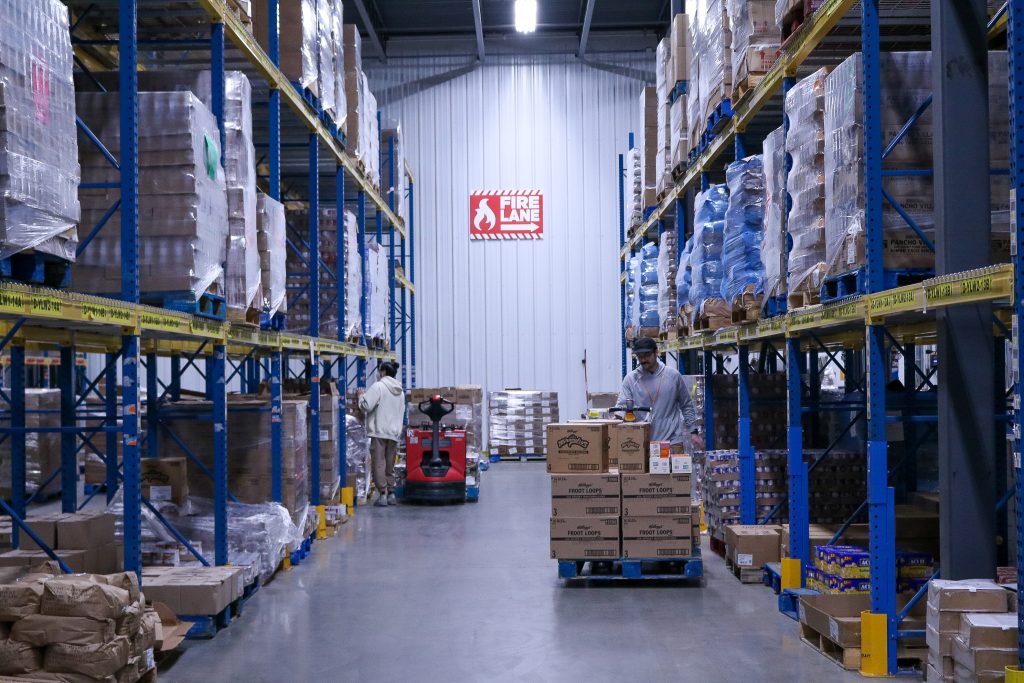
Second Harvest is already distributing more than two million pounds of food every month. The number is nearly double what it provided during the pandemic’s peak. And close to 70 percent of its partner agencies report rising demand, with some recently reporting increases of 30, 50, or even 100 percent.
Four Issues Need to be Addressed
Tazelaar also points out the deeper root causes food banks alone cannot solve:
- lack of affordable housing
- access to health care
- jobs offering a living-wage
- ongoing effects of systemic racism
“We’re really good at providing food,” he explains. “But ending hunger permanently means addressing those larger issues.”
So far, Second Harvest is continuing to meet immediate needs with help from the community. Volunteers provide more than a quarter of all the work the organization offers, and donations go far — every $20 provides five bags of groceries.
“There are food banks serving every county in the country,” Tazelaar says. “We’re not competitors. We’re peers. And none of us can do this without public support.”
Learn more, including how to find resources, volunteer or donate, here.

Teri Barr is Civic Media’s Content Creator and a legend in Wisconsin broadcast journalism. Email her at [email protected].
Want More Local News?

Civic Media
Civic Media Inc.
The Civic Media App
Put us in your pocket.